Cultural Time Orientation: How Present-Oriented Cultures View Time

Be present.

Exist in the now.

You only live once.

When it comes to time orientation, present-oriented cultures view the current moment in time as the only moment that matters.

Psychology Professor Philip Zimbardo spoke of individual time orientation, saying:

“There are two ways to be present-oriented, the most obvious is to be hedonistic, that you live for pleasure and you avoid pain. You seek knowledge, you seek sensation. There are other people who are present-oriented because they say, ‘It doesn’t pay to plan. My life is fated – fated by my religion, my poverty, the conditions that I’m living under.’”

While personal present-oriented values may not be exactly the same as those who are culturally present-oriented, the belief in fate does play into the perspective of time in many cultures.

Unlike past-oriented cultures, present time orientation results in a short-term thinking style with little focus on the future or the past.

Let’s dive in to the present.

Present-Oriented Values

Present-oriented cultures view the past as a closed book.

It is done, it is finished, it is something that cannot be changed.

Similarly, they view the future as something that has yet to be written, and they don’t have the power or tools to write it.

The past is gone, and the future is uncertain.

The only timeline that truly matters – and to which they have any influence – is the present.

Thus, the focus is on today, for tomorrow may not arrive.

They look to ways in which they can influence the present moment or changes they can make to yield short-term, immediate results.

You might find present-oriented cultures in Latin America and Africa. 

France, too, is said to have a more present-oriented culture, compared to the UK (past) and the US (future).

The Present is a Gift

“You must live in the present, launch yourself on every wave, find your eternity in each moment. Fools stand on their island of opportunities and look toward another land. There is no other land, there is no other life but this.” – Henry David Thoreau

Because their lives are not grounded in the future or the past, present-oriented cultures view the present as a gift.

They live life for today, not tomorrow.

Next week, we’ll talk about how this differs from future-oriented cultures.

Cultural Time Orientation: How Past-Oriented Cultures View Time

How do you make life decisions?

Do you anchor your reasoning in the past, basing logic on tradition and precedence?

Or do you look toward the future, anchoring decisions on what could be?

In the same vein, think about your culture.

Does your culture go back millennia or a mere few centuries?

Or maybe it was born yesterday?

The answers to these questions can tell us about our culture’s concept of time orientation.

We’ve talked a bit about time orientation and perception in a past blog.

But let’s dig a little deeper into each of the 4 Types of Cultural Time Orientation and Time Perception.

Past-Oriented Values

“The past is the beginning of the beginning and all that is and has been is but the twilight of the dawn.” – H.G. Wells

In past-oriented cultures, the past is honored and revered and heavily nostalgic, and it plays a large part in how present society is run and how decisions are made.

Past-oriented societies include China, Japan, Britain, and many Spanish-speaking Latin American countries.

They often follow formalities when it comes to working relationships and tend toward conservatism, meaning they are not often progressive in business matters.

Work culture is thoroughly grounded in ways of management that are tied to the past.

They also hold traditional values because feeding a collective memory is key to their cultural identity.

Due to the importance of tradition in these countries, their societies are slow to change. 

If you try to intervene in tradition, you are not to be trusted.

As individuals, too, ancestral worship and family traditions are highly valued.

The Past Guides Us

Past-oriented societies don’t just make decisions based on past experience; they see their hope and inspiration in what has already been.

History, tradition, and precedence inspire them and direct their future.

They invest in businesses and other organizations that already exist.

All resources and efforts are put toward what has been established, and the past is used to evaluate the present.

Past-oriented cultures also tend to be risk-averse, and hiring is done with loyalty of company in mind.

Staff is expected to adhere to policies and procedures, as well as established norms.

Moreover, when planning for important changes that might also require a change in mentality, long time frames accommodate for resistance to said changes.

Change for change’s sake is not appreciated, and the past is led into the future, remaining very much alive in the present.

Visionary leaders of such cultures are able to balance their concept of time enough to ensure change is not too jarring and that the past is not left behind. 

Finding Your Cultural Zookeeper: How Your Assistant Can Assist You in Learning Culture

We’ve been talking the past few weeks about what types of people make the best zookeepers in a foreign culture.

Zookeepers are the intermediaries between you and the new culture. They can help you understand the nuances of the culture’s values, norms, and behaviors and provide you with metaphors or analogies to serve as mental models for better understanding.

While we’ve said that Third Culture Kids are amongst the best zookeepers due to their experience with multiple cultures from a young age, you unfortunately might not have any TCK connections.

So, who else might be a good zookeeper?

Assistants Assisting Cultural Learning

Don’t overlook your assistant as a teacher.

Executives often work closely with their assistants and, in a foreign culture, these assistants have the benefit of understanding their own society and having had previous experience working with foreign managers.

Upon arrival to Spain, I sought help in adapting to the local culture from my assistant.

She offered me daily cultural advice during a particularly difficult time for the company.

For instance, when my third female employee started crying in my office, I grew worried about my approach and wondered if there was something I could do differently.

When I asked my assistant if she had some insight, she told me, “That’s how it works in Madrid. Just keep Kleenex on your desk, so you can offer it to your employee if she starts crying. But keep talking to her rationally.”

I followed her advice and was able to continue making tough decisions without worrying about cultural missteps.

Advice & Explanations

Not only did my assistant offer advice, she offered an explanation for various aspects of her culture that did not gel with mine.

Regarding the tears, my assistant told me Spanish culture is more emotive and tolerant of crying at work than Swiss culture.

As exemplified by their expressive language, the Spanish are an emotive people.

My assistant/zookeeper also gave me insight into:

  • How to greet business clients
  • How and when to celebrate births/birthdays
  • How to/how not to dress
  • And, most importantly, that I should NEVER use the copy machine myself, as this is not a good look for a boss in Spain

The power distance index developed by Geert Hofstede puts Spain in the middle, while Switzerland is on the lower end. 

This means that Spain prefers a stronger power dynamic amongst its leaders, while Switzerland prefers a flatter hierarchy.

By suggesting changes in my behavior, my assistant/zookeeper provided me with concrete measures that would help me adapt to abstract cultural dimensions like power distance.

Zookeepers are International

The best zookeepers are not easy to find. 

And the monkey – YOU – must also be malleable to training. You must be open to criticism, both passive and active.

Friendship and trust are key to the relationship, as is some type of international background in regards to the zookeeper – whether they’ve simply worked with many a foreigner before or have themselves lived in different cultures.

Whatever the case, once you find yourself a good zookeeper, you’ll be good as gold.

A Foot in Two Worlds: Why the Best Zookeepers are Third Culture Kids

Imagine you were born in Bali as the child of an American.

You grow up at the slow pace of island life. Your days are spent on the beach, swimming and playing in the sand.

Your friends are local kids and the children of other expats.

You go to an international school. There, you have an Australian teacher, and your peers are from all over the world.

How would your worldview change if you were the child of an expat who grew up not in your parents’ home country, but abroad in a foreign one?

You might just have a broader perspective.

This can make you an ideal zookeeper (i.e. teachers for foreign expats working and living in another culture).

Two Worlds

Taking in the above scenario, it’s probably safe to say that, at ten years old, you’ve become chummy with more nationalities than many adults have.

Even more interesting, you are a child of two worlds: with one foot in your host country and an intimate knowledge of your parents’ culture.

This is what’s known as a Third Culture Kid (TCK).

Researchers, John and Ruth Useem, developed this term in the ‘50s to classify children of American expats who were living and working abroad.

These children are gifted with a unique perspective and can make the best zookeepers for those who are adapting to a foreign culture. 

As quoted from Third Culture Kids: The Experience of Growing Up Among Worlds:

“While growing up in a multiplicity of countries and cultures, TCKs not only observe firsthand the many geographical differences around the world but they also learn how people view life from different philosophical and political perspectives. Some people think of Saddam Hussein as a hero; others believe he’s a villain. Western culture is time and task oriented; in Eastern cultures, interpersonal relationships are of great importance…”

TCKs have grown up with more than one culture: speaking English to their parents at home and Balinese in their host culture.

Celebrating Christmas at home and Galungan in the streets of Sanur.

Barbecuing hamburgers at home and eating Nasi Campur on the beach.

During their primary socialization, these children grow up knowing and respecting the values and norms of the host culture, while also knowing and respecting their parents’ values.

Presidential TCK

This was the life of someone who was, at one time, the most powerful leader in the world: President Barack Obama.

Obama grew up as a Third Culture Kid. 

Born in Hawaii, he lived some of his formative years in Indonesia, where his mother taught English and was a Microfinance consultant who worked in rural development. His father was Kenyan.

Like many TCKs, growing up with multiple cultural influences and worldviews gave Obama a unique perspective.

Obama describes the joys of his youth in Indonesia as well as the tragedies he observed there.

He explains:

“It had taken me less than six months to learn Indonesia’s language, its customs, and its legends…The children of farmers, servants, and low-level bureaucrats had become my best friends…There was the empty look on the faces of farmers the year the rains never came, the stoop in their shoulders as they wandered barefoot through their barren, cracked fields, bending over every so often to crumble earth between their fingers…”

Through his experience as a TCK, he learned from a young age that the world wasn’t perfect or just.

He also realized that not everyone was aware of this or able to confront it. He notably refrained from sharing the unjust bits of his experience in the letters to his grandparents.

“The world was violent, I was learning, unpredictable and often cruel. My grandparents knew nothing of such a world, I decided; there was no point in disturbing them with questions they couldn’t answer.”

It is this worldly perspective that TCKs are gifted with and that make them great zookeepers.

Not only does such an experience open their eyes to a broader world, it can help open yours too as an expat adapting to another culture.

We’ll talk more about that next week.

A Zookeeper in Action: When Locals Help Explain Foreign Behavior

As a Third Culture Kid living in Africa, I would sit in the shade with my father when visitors came.

One day, a trusted employee named André stopped by.

As was normal in the Mossi culture, discussion unfolded at length in a friendly manner, while we drank cup after cup of water.

When the conversation wound down, André at last stood to leave.

It was only then that the aim of his visit became known.

The Favor

A wedding was approaching, and André wanted to ask my dad for help in transporting bags of sorghum (a type of grain). 

The pair sat down again to discuss.

My father told André that while he would like to help, he was unfortunately very busy and couldn’t take the day off that the bad roads would require to transport the grain.

André left and, from that day onward, their relationship was broken.

My father’s trusted employee and cohort now avoided him like the plague.

My father wondered what he’d done wrong. He felt helpless and couldn’t change what happened.

He also couldn’t find fault in what he had said or done. 

He understood he’d had a monkey moment but wasn’t sure what his blunder was.

He really was busy and, on such short notice, couldn’t accommodate André’s request. He had explained and apologized for this.

No matter how hard he tried, his relationship with André didn’t improve.

At a loss, my father sought out his zookeeper for assistance.

The Zookeeper Explains

Freeman Kabore was born of noble blood from Ouagadougou.

He spent time studying in Europe and so had familiarity with both cultures; the perfect quality in a zookeeper.

When my father told Zookeeper Freeman about what had unfolded between him and André, Freeman taught him something about Mossi culture.

An important request like this one should not be refused upon sight.

Instead, one should take the time to consider the request – or at least have the courtesy to appear to take the time to consider it.

If my father had told André, “I will think about it. Please come back tomorrow, and I will let you know,” and then, the following day, kindly declined, this would have been acceptable in Mossi culture.

To the Mossi, this face-saving formality shows your friend the respect he deserves.

Being delivered a direct “no” is considered rude and inconsiderate.

With help from Zookeeper Freeman, my father learned an important norm of the Mossi culture, one that would save him from further monkey moments and help him maintain valuable friendships.

Next week, we’ll talk about Third Culture Kids: the ultimate zookeepers.

The Zookeeper: Your Intermediary in a Foreign Culture 

As a foreigner in another culture, we are caged monkeys in a zoo.

This is a common theme in my blog and particularly in my book, I am the Monkey.

As monkeys in the zoo, we look outside our habitats and wonder at the strange animals called “humans” – i.e. the local people whose culture we’re living in.

Why are they staring at us all the live-long day?

The noises they make are odd. The fur they wear is multicolored. Their actions are diabolical.

But of all the humans who gather around our cage, there is one that we can identify with: the Zookeeper.

How Zookeepers Behave

Unlike the human spectators who throw peanuts at you, the zookeeper gives you real food.

More than that, she knows when you’re hungry.

Instead of making strange noises and pulling faces at you, she approaches you normally, she moves naturally.

As a monkey, you don’t fear the Zookeeper, because the Zookeeper doesn’t cause confusion.

Though she is not a monkey, she understands monkeys, and you understand her.

This is the type of person you need when integrating into a foreign culture: a local who understands you and who you understand too.

You may not speak the same mother tongue, but you are still able to communicate well enough to get by.

Cultural Food

The Zookeeper can feed you the cultural food you need to help understand their culture.

Good zookeepers understand both cultures well enough to hash out any differences and help explain their own culture in a way to which you can relate.

Knowing both monkeys and humans allows the Zookeeper to build bridges, providing explanations for behaviors and mental models to aid understanding.

Zookeepers can tell the humans, “You’re making too much noise and scaring the monkeys.”

They can tell the monkeys, “The humans don’t mean to alarm you; they’re just excited to meet you.”

They can tell the humans, “Don’t feed them; they just ate.”

They can tell the monkeys, “I know you’re not hungry but feeding guests is part of the human culture.”

Through understanding and effective communication, the Zookeeper is the intermediary between the two worlds, aiding both the monkey’s integration and the humans’ ability to help this foreigner integrate.

Next week, we’ll look at an example of a genuine zookeeper in action. 

Food: A Universal Language

A plate of Italian pasta.

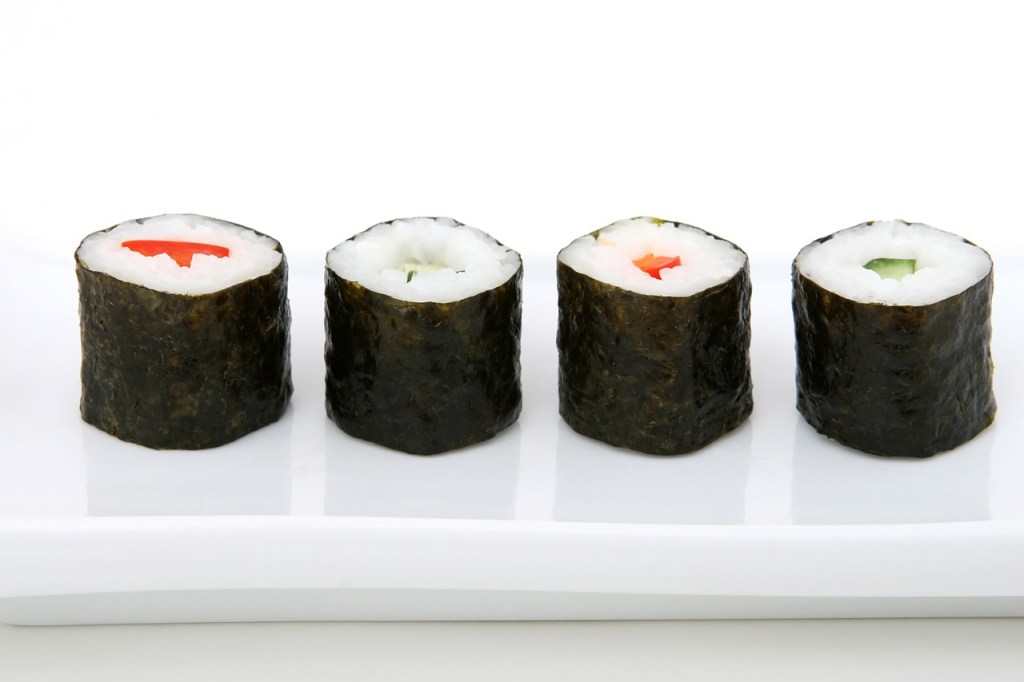
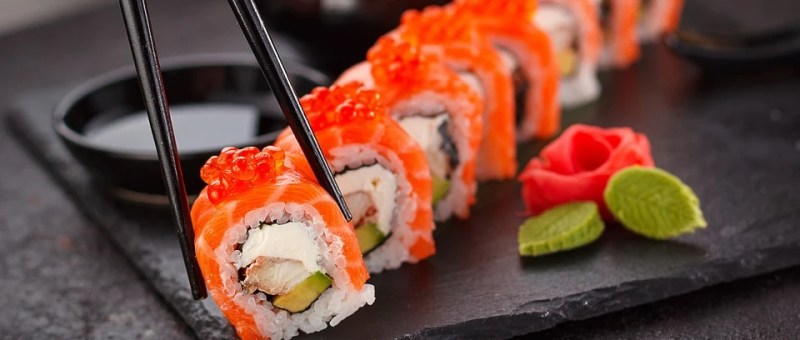
A dish of Japanese sushi.

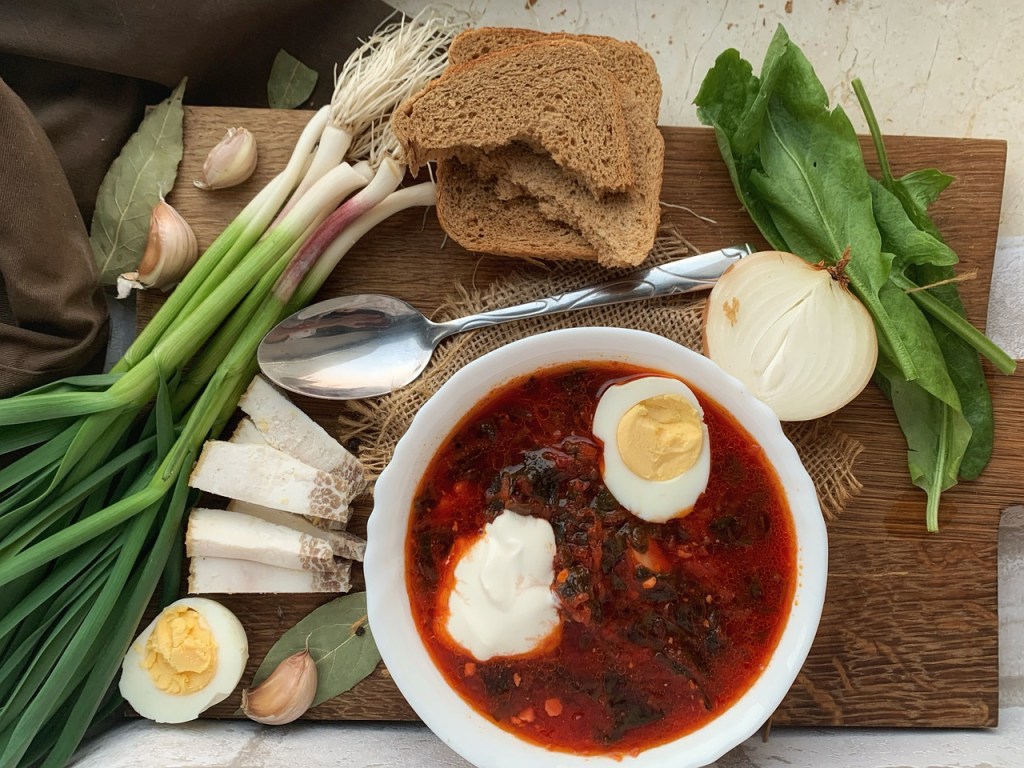
A bowl of Ukrainian borscht.

Traditional dishes from around the world bring together many elements of the culture on a plate.

They’re like a sensory representation of the larger culture.

And even better – cuisine is a great conversation starter, because it’s rare that food is taboo.

No Food Taboo

Unlike other cultural areas – like dress, honor, sexuality – there isn’t much taboo surrounding food.

Every culture loves their traditional dishes, and every culture wants to talk them up.

Bring up religion at the dinner table, and you’ll be walking a minefield.

Bring up sexuality in some cultures, and you’ll likely be shown the door – or at the minimum, be on the receiving end of some death stares.

Bring up food, and nearly everyone will be overjoyed and will love to share their favorite dishes, their cultural heritage.

Food is not a hot button issue (unless you’re arguing which pizza is better: Chicago deep dish or a New York slice).

And you can talk about food all day, because not only does it vary across cultures, it varies across regions of the same culture.

For instance, a pizza in Northern Italy will be prepared with thin crust; the more south you go, the thicker the crust gets.

How it’s prepared, the regions’ special touches, what special treats are made for celebrations and holidays.

People of every culture are exuberant about sharing their food; this is one area of conversation you can be relatively sure about.

Food Culture: France vs. Denmark

Discussing one’s food culture can also reveal some pretty interesting discrepancies between countries and their approach to food.

As we talked about last week, the how, when, why, and with whom of food can give you some hints about the broader culture itself.

Danish Professor of International Marketing Dominique Bouchet knew this and so compared the differences between French and Danish food culture.

As one might expect, significant differences exist.

The French view eating as a social experience.

The importance placed on food is reflected by their language, which has a broad vocabulary for food, eating, and even specific tastes.

The Danes view food more as a source of nutrition and energy. Pleasure and the social experience takes a backseat.

While you might see a French person touching and smelling fresh ingredients at a market for a good deal of time before they purchase their products, you’re unlikely to see a Dane do the same.

What we eat and why we eat is a major indicator of who we are.

Bouchet writes:

“Fresh oysters and red meat are seldom appreciated in Denmark, whereas in France exactly red meat is perceived as being more alive, and thereby more powerful and appetizing. The animalistic aspect is seen as something positive in France and Spain, whereas the associations in Denmark and Germany are more in the direction of death and morbidity. The reaction is one of disgust, and therefore it is desirable to kill each and every trace of what is disgusting in a process of frying, boiling, or pasteurizing.” 

With food, our cultural differences are bolded and italicized.

This is why sharing food is so important to cultural integration.

If you are inquisitive and observant about your new culture’s food habits, you can deduce much more about a culture than just their food preferences.

You can discover the deep roots of their baobab.

Food Culture: What HOW You Eat Can Tell You About Culture

Do you eat your dinner at the dining table, or do you eat sitting crosslegged on the floor?

Do you share a communal dish of food, or does everyone have an individual plate?

What utensils do you use – a fork, spoon, and knife; chopsticks; your hands?

With whom do you eat? Family, friends, with only your own gender?

The answers to these questions are part of your food culture – and to a larger extent, your culture as a whole. 

On the surface, you see only the limbs of the baobab – the cultural norms – but the details of your food culture can tell you something deeper about the roots (i.e. your cultural values).

The Presentation: Food Plating

Another aspect of food culture is the amount of care put into food presentation.

One study delved into the differences between American, Italian, and Japanese food plating preferences.

Titled, “Looks Good Enough to Eat: How Food Plating Preferences Differ Across Cultures and Continents,” the study found that Japanese participants prefer more formally arranged plates, while Italians and Americans prefer more casually presented food.

The researchers concluded that this springs from the respective cultures’ individualist versus collectivist natures.

The Japanese are a collectivist culture, so formality and identical presentation may have roots in the Eastern collectivist tradition.

Italians and Americans are individualist Western cultures. Self-autonomy and informality, even in how one’s own plate is presented, may be rooted in this mindset.

The study also noted the fullness/emptiness of the plated food.

The Japanese and Americans’ plates were relatively empty, while the Italians preferred very full plates.

The researchers concluded that the preference for empty plates might be related to the Japanese and American ideal of open space.

How, When, Why, With Whom?

Food norms can tell you a lot about a culture, so when you’re trying to understand/learn a culture, consider these norms to understand the culture’s deeper values

Practice this with your favorite culture – or even your own.

Ask:

  • How often do you eat? How long do you take to eat? 

Many Mediterranean countries, for instance, spend hours dining each day, as sharing food is considered an important social event.

  • When do you eat?

The Spanish, for instance, eat dinner between 9 PM and midnight, and it’s a much lighter meal than lunch. This is historically linked to their afternoon siesta and being geographically located in the wrong time zone.

  • Why do you eat?

Some cultures tend to eat only for sustenance while others take more pleasure in eating.

  • With whom do you eat?

While eating is a family affair for most countries, for others this is not the case.

Answering these questions about food culture will help you understand that culture or learn something new. It will help you connect the dots between a culture’s norms and its values.

You Are What You Eat: How Our Food Culture Defines Us

Think about the first time someone shared food with you.

Maybe your best friend offered you his dessert at the school lunch table.

Maybe your neighbor had you and your family over for afternoon tea.

You probably felt more connected to that person, and it wasn’t just about the food. It was about the generosity of sharing and the ritual surrounding it.

Across many cultures, food traditions are ritualized and social.

So, it would stand that when you’re living in a foreign culture, joining in a meal with local friends can serve as a litmus test for how far you’ve come in your integration.

The Importance of Food

Just how important is food to culture?

If you’ve ever been to a cultural-based festival – like a Russian festival in America or an Italian festival in France – you’ll find that food is usually the festival’s focal point.

A culture’s cuisine and the traditions surrounding it (making the food, presenting the food, when and to whom it is served, etc.) are all integral to our cultural identity.

But we are not born with food culture etched into our DNA; it is learned.

Our Culinary Cultural Code is Written

University of Indiana Anthropology Professor Richard Wilk puts this learning process into perspective: 

“Your first relationship as a human being is about food. The first social experience we have is being put to the breast or bottle. The social act of eating, is part of how we become human, as much as speaking and taking care of ourselves. Learning to eat is learning to become human.” 

The type of foods we eat, our preferences, are all learned. They’re programmed into us during the early stages of primary socialization.

Food norms and behaviors are taught early on as a matter of survival. Parents strictly enforce what is to be eaten and what’s NOT to be, so that baby isn’t stuffing whatever he finds on the floor into his mouth.

And the things we are taught not to eat often later repulse us.

Eat This; Don’t Eat That

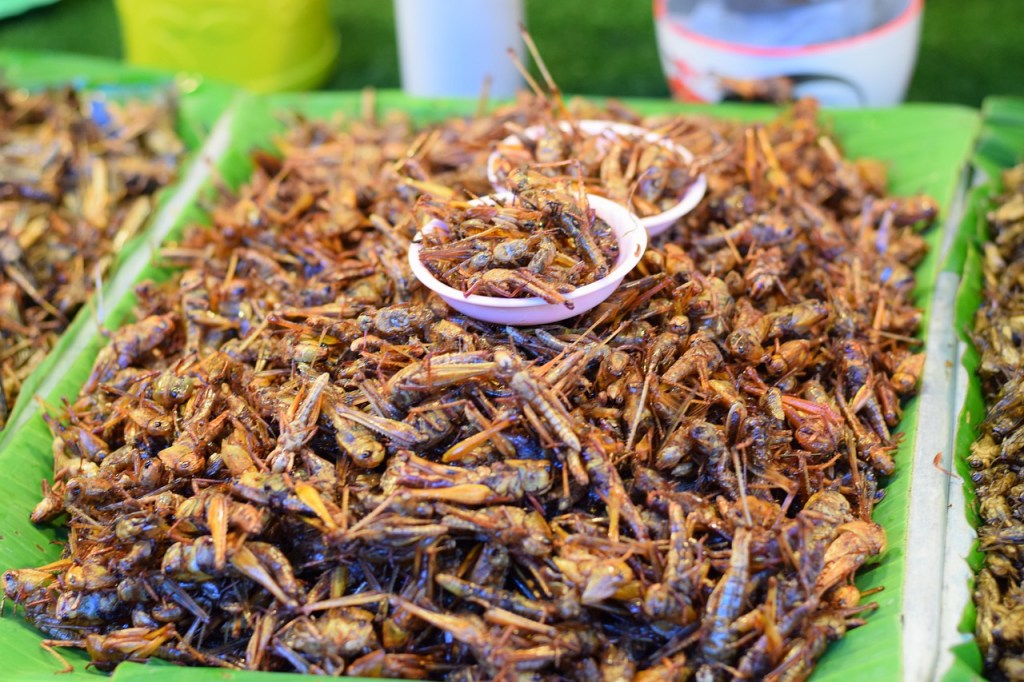
For instance, in Western culture, insects are for the birds.

As humans, we’re taught not to eat them.

If you are later offered a plate of Korean Beondegi, Japanese Inago, or some other fried insect dish, you’re likely to have a physiological response – and not a positive one.

SadiaK123 from Pixabay 

In fact, just looking at this picture, you might feel a little nauseous.

Culture is powerfully influential when it comes to food likes and dislikes. And the results are fairly permanent.

This is why, when you move to another culture as an expat, immigrant, or refugee, food preferences are often amongst the last cultural habits to go (if they go at all).

And these habits involve not just WHAT you eat but HOW you eat.

Next week, we’ll take a deeper dive into the how.

Reversing Reverse Culture Shock, Step 3: Transfer & Alter Cues

Think back to your first few weeks in your host culture.

Although excited for the newness of the foreign environment, you felt discomfort.

Out of place and homesick, you sought anything that was familiar – that might make you feel at ease.

Videocalls to your friends and family back home.

Your favorite sweater or blanket.

Even a familiar homegrown location, like Starbucks or McDonald’s.

Whatever made you feel at home again, you chased it.

These are what we call “cues.”

They’re little things that make you feel comfortable and familiar with your environment.

And they will come in handy when dealing with reverse culture shock.

What are Reentry Cues?

As you did when moving to a foreign country, take something of your host country home with you.

This “something” can be physical, from traditional objects that you’ve accumulated to your favorite herbs and spices of the cultural cuisine.

Or it can be intangible, like routines, customs, or values or norms that you’ve adopted from your host culture, like late night dinners or family-centered customs.

Any type of cultural cue can help you adjust to your reentry.

Bring & Alter Cues

You can either bring these cues directly from your host country, for instance a traditional dress, a favorite book, or your favorite chocolate bar.

Or you can alter existing cues in your home country to mirror those from your host country.

For instance, you might alter your diet, adjusting for more veggies, more spices, etc. – whatever reminds you of your host’s foreign cuisine. 

You can alter your surroundings – laying down a carpet or mat made in your host country, for instance.

Or you might alter how you host people in your home or how you approach being a guest in others, according to some of the customs you’ve adopted.

There are many physical and psychological ways to transfer and alter cues that’ll help you transition back into your home country without fully renouncing your adopted one.

You will eventually have to fully re-adapt to your home country, but you don’t have to altogether abandon aspects of your host country that you adore.

The bottom line: introducing new cues will allow you to ease in, just as it did when you moved to your host country what feels like a lifetime ago.