
Understanding Cultural Differences in Attachment: Insecure-Avoidant vs. Insecure-Resistant

In 1988, researchers Van Ijzendoorn and Kroonenberg conducted a significant meta-analysis that examined attachment behaviors across different cultures

We talked a little about it last week.

Their goal was to determine whether attachment styles are universal or if they vary based on cultural influences

The researchers analyzed data from 32 cross-cultural studies, all of which used the Strange Situation procedure developed by Mary Ainsworth. 

This method measures attachment types by observing infants’ reactions to separations and reunions with their caregiver.

Methodology and Aims

A meta-analysis compiles findings from previous research to draw broader conclusions, rather than conducting new experiments. 

In this case, Van Ijzendoorn and Kroonenberg focused on studies using the Strange Situation to ensure consistency in their comparisons. 

They included research from eight countries, such as the United States, Great Britain, Japan, and China, allowing for an exploration of both intercultural (between cultures) and intracultural (within a culture) differences in attachment behaviors.

The primary goal was to investigate whether attachment styles – secure, insecure-avoidant, and insecure-resistant – were consistent across cultures or influenced by cultural norms and practices.

Key Findings on Cultural Differences

The meta-analysis revealed that across all cultures, the majority of infants (about 70%) were securely attached.

However, significant variations emerged between Western and Eastern cultures

In Western societies, where independence is highly valued, such as in the United States and European countries, there were higher levels of insecure-avoidant attachments. 

This attachment style is often seen in children who may distance themselves emotionally from their caregivers.

In contrast, Eastern cultures like Japan, which prioritize close family relationships and cooperation, saw higher levels of insecure-resistant attachments. 

This attachment type reflects infants who are more anxious and clingy in their behavior toward caregivers. 

Interestingly, China presented a unique case, with equal numbers of insecure-avoidant and insecure-resistant infants.

Intracultural Variation and Child-Rearing Practices

An unexpected finding was that differences within cultures were greater than those between cultures. 

Larger countries like the United States and China, which have diverse populations, showed considerable variation in attachment styles based on factors such as socioeconomic status and race. 

For example, infants from middle-class families tended to exhibit different attachment behaviors compared to those from working-class backgrounds.

The analysis also highlighted how cultural practices influence attachment. 

In Western countries, early separation between mother and child, often due to mothers returning to work, likely contributes to higher levels of insecure-avoidant attachment, as infants experience more stress during separations.

So, while the meta-analysis confirms that secure attachment is the most common style across cultures, aligning with Ainsworth’s and Bowlby’s theories, it also highlights that cultural differences in child-rearing practices can impact attachment styles, leading to variations in behavior.
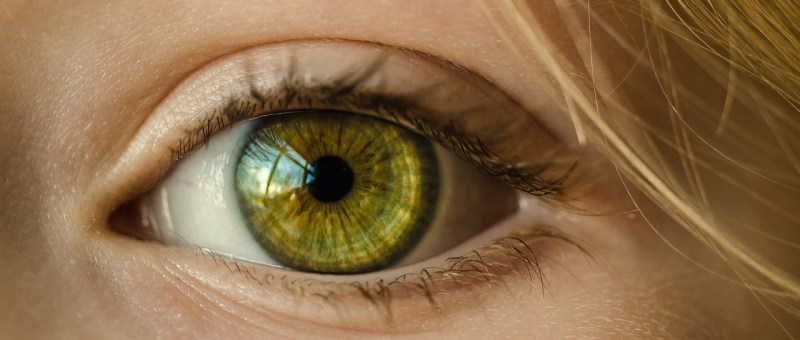

Eye Contact & Culture: A Guide to Understanding Non-Verbal Communication

Eye contact is a fundamental aspect of human communication, serving as a powerful non-verbal cue conveying various emotions and intentions

However, the interpretation and significance of eye contact can vary dramatically across cultures, often leading to misunderstandings in cross-cultural interactions

Understanding these differences is crucial for effective communication in global business.

Western Cultures: Direct Eye Contact = Confidence

In many Western cultures, particularly in the United States and Europe, direct eye contact is often seen as a sign of confidence, sincerity, and attentiveness. 

People who make steady eye contact during conversations are typically perceived as trustworthy and engaged.

In business settings, maintaining eye contact is crucial during negotiations and presentations, as it demonstrates interest and credibility.

But this doesn’t end at business: direct eye contact is also valued in social interactions

It is considered polite and respectful, indicating that you are actively listening and interested in the other person’s words. 

However, balance is necessary, as excessive staring can be perceived as confrontational or aggressive.

East Asian Cultures: Indirect Eye Contact = Respect

In contrast, many East Asian cultures, including Japan, China, and Korea, view direct eye contact differently.

Here, indirect eye contact is often a sign of respect and deference, particularly towards elders or those in positions of authority

Avoiding prolonged eye contact is seen as a way to show humility and politeness.

For instance, in Japan, a child might lower their gaze when speaking to a teacher or elder as a mark of respect. 

Similarly, employees may avoid direct eye contact with their superiors during meetings to demonstrate deference. 

Misinterpreting this cultural norm can lead Westerners to mistakenly perceive East Asians as being evasive or untrustworthy, when they are simply adhering to cultural standards of respect.

Studies Confirm These Differences

Research has shown that faces making eye contact are quickly detected and preferentially processed, a phenomenon known as the eye contact effect. 

This sensitivity to eye contact is believed to be innate and universal among humans

However, cultural norms influence eye contact behaviors, with Japanese individuals typically making less eye contact than those from Western European or North American cultures.

This study explored how cultural differences affect eye contact behaviors by examining autonomic responses (heart rate), looking time, and evaluative ratings of eye contact with a person displaying a neutral expression.

Participants from Western European (Finnish) and East Asian (Japanese) cultures were compared. 

The findings revealed that eye contact elicited stronger heart rate deceleration (indicative of attentional orienting), shorter looking times, and higher arousal ratings in both cultures compared to averted gaze.

However, cultural differences were evident in how participants interpreted faces making eye contact. 

Japanese participants rated faces as angrier, less approachable, and more unpleasant compared to Finnish participants. 

These results suggest that cultural norms and display rules influence how eye contact is perceived, rather than culture directly affecting physiological responses to eye contact.

We’ll talk more about culture’s influence on eye contact norms next week.

Irish Exit Versus Midwest Goodbye: How Do You Take Leave?

Do you prefer to slip out of the party without anyone noticing?

Or is your departure a big production?

Our preferred manner of taking leave can speak volumes about social norms and interpersonal dynamics. 

From the brisk Irish exit to the prolonged Midwest goodbye, each culture exhibits distinctive practices that have become stereotypes

So, before we bid farewell, let’s uncover the unspoken customs that shape our social exits.

Irish Goodbye

The Irish goodbye, also widely known as the “French exit,” is a social departure strategy characterized by slipping away from a gathering or event without bidding farewell or announcing one’s departure. 

Unlike the customary practice of saying goodbye to each person individually, the Irish goodbye involves leaving discreetly, often to avoid prolonged farewells or awkward conversations. 

The tactic is appreciated by those who prefer a quiet exit, finding conventional goodbyes time-consuming or uncomfortable. 

While some view it as a breach of social etiquette, others see it as a pragmatic and considerate way to make an exit without disrupting the flow of an event. 

The Irish goodbye exemplifies a subtle and understated departure, embodying a balance between social grace and personal convenience in navigating social situations.

The title of this departure style suggests an association with Irish social customs…although that may just be assumed. 

In my research, I’ve found that these terms – Irish goodbye, French exit – may have been invented as insults.

The British are said to have invented “French Leave” to criticize the French, with whom they’ve historically butted heads, while funnily enough, the French call the same act “to leave the English way.”

In Germany, it’s called the “Polish Exit.” In Poland, the “English Exit.”

It doesn’t actually appear to be a stereotypical behavior or social norm of any one of these cultures.

And yet, these terms all represent the act of ducking out early.

Midwest Goodbye

The Midwest goodbye is a regional social custom prevalent in the American Midwest, characterized by a prolonged and elaborate departure process. 

Unlike the Irish goodbye, this tradition involves a series of extended farewells, conversations, and well-wishing that can significantly extend the time it takes to leave a social gathering. 

Individuals partake in a series of incremental goodbyes, moving from group to group, expressing gratitude, and engaging in small talk before finally making their exit. 

This ritual is deeply ingrained in Midwest culture, reflecting values of warmth, friendliness, and community.

The Midwest Goodbye is often seen as a genuine expression of care and appreciation for others, emphasizing the importance of personal connections and social bonds. 

While it may extend the duration of the farewell process, many in the Midwest consider it a polite and respectful way to conclude social interactions. 

The Midwest Goodbye showcases the cultural nuances and emphasis on interpersonal relationships in the region, offering a stark contrast to more abrupt departure styles observed in other parts of the country.

This is one that I’ve personally witnessed and can say is a true social norm of that region.

But as for the French or Irish exit, I’m curious if this method of departure is cultural in any way or truly is an invented stereotype.

If you know more, please share in the comments.

Safety & Health in Tight/Loose Cultures

Over the past few weeks, we’ve been talking about how tightness and looseness in culture can affect everything from workplace attitude and behavior to innovation.

E. Scott Geller’s article in EHSToday delves into how cultural tightness and looseness also impact occupational health and safety.

The article focuses on the work of Professor Gelfand, author of Rule Makers, Rule Breakers: How tight and loose cultures wire our world.

Gelfand identifies differences in approach and behavior across cultures regarding rules, regulations, and protocols.

In doing so, we may even begin to understand our cultural differences.

According to Professor Michele Gelfand,

“Tight-loose theory can help deepen our empathy toward those whose way just doesn’t sync with ours.”

What is Tight/Loose Theory?

Gelfand’s tight/loose theory, as detailed in her book, provides insights into the contrasting responses people exhibit when faced with regulations. 

Some comply without argument, some reluctantly adhere, and others fight compliance, vocally and even physically. 

But why?

These differences ultimately have to do with the tightness or looseness of culture.

Tight/Loose Cultures

Distinguishing between tighter countries (for instance, China, Germany, India, Japan, Pakistan, and Singapore) and looser countries (such as, Australia, New Zealand, Greece, the Netherlands, Spain, and the U.S.) comes down to various aspects of society. 

Tighter countries tend to have autocratic governments, higher population densities, historical exposure to infectious diseases and national disasters, and fewer natural resources. 

In these societies, solidarity is higher, contributing to successful pandemic control measures.

Conversely, looser countries exhibit higher immigrant populations, greater creativity, acceptance of diversity, free speech, and tolerance of change

However, during the COVID-19 pandemic, looser countries faced challenges due to lower adherence to preventive behaviors. 

Relationship Between Subjective Well-Being & Cultural Tightness

Gelfand and company discovered a curvilinear relationship between subjective well-being (SWB) and cultural tightness, with extremely tight and loose nations displaying the lowest SWB levels.

Not only that, but they had the lowest life expectancies and the lowest gross domestic product per capita.

Moderate countries had the highest SWB and lower suicide rates and depression levels.

This goes to show that extremism at any level is ultimately unhealthy for a society and ineffective.

Future of OHS Management

The cultural dynamic of tightness and looseness extends beyond national borders, impacting various aspects of life, including social norms, interpersonal behaviors, and reactions to occupational health and safety (OHS) rules. 

Involving employees in shaping safety protocols and fostering a sense of autonomy can enhance OHS outcomes in diverse cultural contexts. 

This nuanced understanding of cultural dynamics provides safety leaders with valuable insights for effective OHS management.

Attitude & Behavior in the Workplace: How Does Tightness/Looseness of Culture Apply?

Do you find the overall morale of your work team to be positive or negative?

How do you navigate it?

And have you ever considered whether the tightness/looseness in your company culture or societal culture might impact these attitudes?

In recent weeks, we’ve talked about tightness and looseness in culture and how this can affect innovation.

Today, we’ll be looking at another study examining tightness/looseness in the workplace to see how it can benefit morale, management policies, and behaviors.

The Study

The primary objective of this study was to investigate the impact of perceived cultural tightness at the work unit level on individual-level outcomes, both positive and negative.

This understanding can be used to enhance management policies.

The research delves into the influence of perceived T-L culture at the work unit level on various individual-level factors, including stress, intention to leave, organizational deviance, job satisfaction, effort investment, and organizational commitment. 

Utilizing cross-sectional data gathered from 417 participants across 57 preexisting work units in diverse Italian organizations, participants were presented with 10 statements that they were asked to agree/disagree with.

These statements include:

  • In my work unit, there are many social norms that must be strictly followed
  • In my work unit, if someone acts in an inappropriate way, others will strongly disapprove
  • In my work unit, there are clear and well-defined rules that must be respected
  • In my work unit, it is not allowed to break the existing norms

The results from multilevel analysis indicate a significant and positive association between perceived cultural tightness at the unit level and individual-level job satisfaction, effort investment, and organizational commitment. 

Conversely, this perceived tightness is significantly and negatively linked to individual-level stress, intention to leave, and organizational deviance. 

These findings imply that fostering a culture of tightness within organizations can positively shape employee attitudes and behaviors.

Confirming the researchers’ hypotheses, the results revealed that perceived cultural tightness at the unit level exhibited a positive association with job satisfaction, effort investment, and organizational commitment. 

Conversely, it displayed a negative association with perceived stress, turnover intentions, and organizational deviance.

Interpreting the Results

Based on the research, this study found that fostering a tight culture could be beneficial for leaders to cultivate positive attitudes within work units. 

However, the suitability of a tight culture depends on individual characteristics and cultural diversity within work units, necessitating attention from HR managers and leaders. 

Achieving a “person-group fit,” where the T-L culture aligns with employees’ mindset and individual characteristics, could promote positive attitudes and behaviors.

Interestingly, in loose societies, organizations may witness more positive workplace attitudes within loose culture work units. 

However, the study did not find significant curvilinear effects, suggesting a need for further investigation, especially in creative, design, or high-tech settings.

Future

The study suggests examining creativity at work, especially given prior results on cultural T-L and creativity.

Exploring moderators of the relationship between tight culture and creativity, such as regulatory focus theory, could provide valuable insights. 

Future research should extend the examination of these effects to the organizational level, considering that work unit culture is influenced by the larger organizational and national culture. 

Investigating interactions between the T-L culture of the country and that of the organization or work unit in promoting workplace outcomes is recommended. 

Overall, these findings contribute to a deeper understanding of T-L effects in real working environments.

The Heart of Our Thinking Style: How Does Our Cultural Thinking Style Impact Our Heart Rate?

How intimately connected are our brains and hearts?

This study on heart rate variability and analytic/holistic thinking styles delves into brain activity and neuro-visceral coordination.

Researchers specifically examined heart rate variability (HRV) in individuals exhibiting analytical and holistic thinking patterns, both during periods of rest and engagement in cognitive tasks.

Here’s what they found.

The Study

While both groups of analytical or holistic thinking styles exhibited similar success rates in resolving the cognitive challenges presented, the analytical cohort displayed prolonged response times compared to their holistic counterparts

The tasks presented were meticulously designed to contrast the analytic and holistic conditions, instructing participants to either focus solely on an object or consider the same object in relation to the field it was situated in.

Intriguingly, when participants were tasked with cognitive activities, heart rate complexity, as quantified by sample entropy, was notably higher among those with analytical thinking tendencies

However, no such difference emerged when participants were at rest or engaged in a straightforward motor task.

Fascinating Find: Context Means Everything

A particularly interesting finding was observed in analytical individuals when they evaluated objects concerning their relationship with the field, as opposed to objects without such contextual consideration.

During this specific task, analytical participants displayed both longer response times and heightened heart rate complexity. 

In contrast, the holistic group exhibited no significant variations in response times or heart rate complexity across different tasks.

These outcomes underscore that distinctions in individual behavior, including those tied to analytical and holistic thinking styles, are not limited solely to brain activity, as previously established through methods such as fMRI and EEG. 

Instead, this research reveals that these distinctions can extend to neuro-visceral coordination, as evidenced by variations in heart rate complexity.

Existing Elements Versus New

This study suggests that holistic thinkers might rely more on recombination of existing elements in their cognitive processes, while analytical thinkers lean towards generating new elements. 

This distinction in learning processes was mirrored in their heart rate complexities.

The results emphasize the variations between analytic and holistic thinkers in their physiological and behavioral responses, providing fresh perspectives on the interaction between cognitive strategies and physiological coordination during cognitive tasks. 

The authors suggest that further research in this realm could deepen our comprehension of the complex interchange between thought patterns and physiological responses, shedding light on the fundamental drivers of human behavior.

Cultural Mirrors: Behaviors and Self-Views Across Borders

What shapes us?

Self-construal theory (Markus and Kitayama, 1991) poses that our feelings, thoughts, and behaviors are shaped by the tapestry of cultural self-views. 

Two dimensions emerge: the independent and interdependent self-construals.

These construals are the basis for this cross-cultural comparison of behaviors of Japanese, Australian, and Canadian university students.

These three groups were asked to complete an independent and interdependent cultural self construal scale.

After a week, they rated their past behavior.

The findings reveal a compelling pattern.

Cultural Heritage

The interdependent behavior score exhibits a positive correlation with interdependent self-construal scores, while displaying a negative correlation with independent self-construal scores.

Japanese participants, true to their cultural heritage, report a greater inclination toward interdependent behaviors than their Canadian and European Australian counterparts. 

Yet, within the Canadian context, the plot thickens. 

Asian Canadians, with their unique fusion of cultural influences, exhibit a stronger tendency toward interdependence than their European Canadian peers. 

These revelations support Markus and Kitayama’s cultural self-construal hypothesis.

However, there’s a twist. 

The self-view measures, while expected to follow suit, defied the study’s hypothesis. 

European Canadians and European Australians, as anticipated, perceive themselves as more independent than their Japanese counterparts. 

Yet, surprisingly, Canadians lean toward interdependence more than their Japanese counterparts.

However, the study’s authors believe the divergence lies within the very structure of their questionnaires. 

Potential Flaw in the Study

The behavioral measure, rooted in tangible actions and future probabilities, stands as a reflection of actual performance. 

It requires no comparison against others, delivering a raw and authentic portrayal. 

Conversely, the self-construal measures ask participants to assess the extent to which they embody certain tendencies, lacking an objective reference point. 

To top it off, social comparison creeps in, complicating matters.

For instance, in a situation of conflict-avoidance: How can one respond without drawing upon the comparisons embedded within their own social fabric? 

A statement such as “I avoid having conflicts with members of my group” demands a comparison of one’s conflict-avoidance against others’. 

When the behaviors of others differ across cultures, biases infiltrate our cross-cultural means of self-rating scales. 

Such is the nature of the “reference group effect.”.

The Self

Still, the results pertaining to the self-construal scales may indeed reflect genuine perceptions of how the self is viewed in different cultures. 

Levine and colleagues discovered that Westerners showcased greater independence than their East Asian counterparts, though the level of interdependence did not follow the anticipated trajectory.

Japan in a national-level transition is a collision of individualism and collectivism, tradition and modernity. 

While the Japanese continue to behave in interdependent ways, their self-view rebels against the interdependence they embody. 

Do You Know Yourself? Individualist vs. Collectivist Self Insight

How do you see yourself?

Can you accurately self-reflect on your traits, behaviors, and ideology and use that knowledge to predict how you might behave in the future?

Do you see yourself clearly? Do you understand why you do the things you do?

And how does your culture influence that self-insight?

Over the next several weeks, we will dive headfirst into the six cultural constructs discussed in last week’s post, the first of which is individualism versus collectivism.

Individualism vs. Collectivism

Individualists and collectivists often have different motivations

Why?

Because the societies and cultures that form these us provide us with different values, norms, dreams, desires, etc.

Individualist cultures generally prioritize personal achievement and independence.

Collectivist cultures, on the other hand, prioritize cooperation and group harmony.

These diverging priorities lead to diverging motivations.

And, according to the following study, a differing degree of self-insight.

Self-Knowledge & Culture

Published in the Journal of Personality and Social Psychology, this study by Balcetis, Dunning, and Miller examines how cultural differences influence people’s ability to predict their own behavior in situations with moral or altruistic overtones. 

The researchers found that collectivists were more accurate in their self-predictions compared to individualists. 

In three different studies, individualists overestimated their likelihood to act generously in situations involving redistributing rewards, donating money, or avoiding rude behavior, while collectivists were generally more accurate in their self-predictions. 

Both groups predicted peer behavior with similar accuracy, but even when samples were taken from the same cultural group, collectivists still demonstrated more precise self-predictions than individualists. 

This suggests that the accuracy of social insight and self-insight can be biased by culturally bound motivations.

Results, Discussed

Why do individualists have a harder time predicting their own behavior? 

One theory is that they focus on themselves too much and assume their behavior will be consistent with their personal traits, leading to inaccurate predictions. 

Individualists who are motivated to emphasize personal uniqueness tend to strive to be better than the group, and thus the best strategy for self-prediction is an internal one based on one’s dispositional nature. 

On the other hand, collectivists who prioritize fitting in with the group may be better at predicting their own behavior because they consider external factors and group behavior.

Collectivists are not motivated to emphasize personal uniqueness and instead strive to fit in with a comparison group, so the best approach to take when making predictions about the self is an external one based on distributional, group-level base rates.

Factors such as face-saving may also moderate these patterns of accuracy. 

This highlights how understanding what constitutes normative social behavior can inform personal self-understanding, but cultural differences may prevent people from knowing themselves precisely because they strive to be different from the norm or typical group member.

Nature Vs. Nurture & Cultural Evolution

Language is culture. Food is culture. Customs are culture.

They are all taught. They are all shaped and communicated across generations through group orientation and primary socialization.

In the book, Not By Genes Alone: How Culture Transformed Human Evolution, authors Peter J. Richerson and Robert Boyd explain that some scientists argue that culture and human behavior cannot be tied to evolutionary theory and biology, quoting the concept of nature versus nurture.

Culture is something created via nurture, while biology is formed by nature.

An individual’s concept of time, her values and customs, her language – all of this is formed by the environment in which she grows up.

It is nurtured.

An individual’s eye color, his height, any genetic disease he may have – all of this is formed by genes.

It is the result of nature. 

Considering this, many argue that evolutionary theory does not come into play in regards to learned behaviors that are shaped by the environment.

As we’ve discussed in many blog posts, cultural behaviors – and most other human behavior – is learned; therefore, the argument is that biology has little to do with creating it.

But Richerson and Boyd suggest that this is not the case, due to the symbiotic nature of genes and their environment.

Genes & the Environment Interact

Genes are not blueprints specifying an organism’s final draft.

Instead, the genetic information stored in an organism interacts with the environment around it while the organism is developing.

As Richerson and Boyd describe it:

“Genes are like a recipe, but one in which the ingredients, cooking temperature, and so on are set by the environment.”

And like any recipe, the traits of the organism will vary based on the differences in the environment.

Some traits are more affected by environment than others.

For instance, most humans develop two ears, despite the environment they’ve grown in, but depending on their nutritional environment during youth, they can develop different growth and health outcomes into adulthood.

Environmental differences can also cause differing behaviors in organisms that are genetically the same.

In such circumstances, the environment is the direct cause of different traits and behaviors.

And because culture is both a part of the environment and a reaction to it, while genes are the evolutionary response to past environments, neither can be removed from the equation.

They are symbiotic.

We’ll take a closer look at the degree to which genes and culture influence human behavior next week.

Religion & Culture: Individual Vs. Cultural Behavior

During the 1994 World Cup, Heineken took center stage…and not in a good way.

In a bid of inclusion, Heineken printed the flag of every country participating in the Cup on its beer bottle.

Unfortunately, this included the flag of Saudi Arabia, which holds a holy creed, “There is no god but the God; Muhammad is the Messenger of the God.”

Islam, of course, forbids alcohol, so the blunder led to major hostilities in the Muslim world.

Heineken was forced to recall and discontinue this promotion, leading to loss of revenue and a bruised public image.

This is one example of what can happen when a business does not account for religious cultural norms.

Personal Faith Versus Cultural Behaviors

Religion influences both individuals and entire cultures.

Individual behavior is impacted by personal belief, while cultural behavior is often impacted by religious practices and norms.

A Christian attends mass every Sunday.

A Muslim prays in the direction of Mecca five times a day.

A Jew dons a Kipa.

All of these are religious behaviors based on individual convictions. That is, they may not impact an entire society or culture.

So, what types of behaviors do influence entire cultures?

One might differentiate between a cultural behavior and a personal one by identifying whether or not religious norms and values impact even non-believers..

Christmas & Easter

One glaring example of this is religious holidays.

Christmas and Easter are holidays that have become ingrained in Western culture; even those who are not of Christian faith celebrate said holidays.

In such cultures, holiday rituals – like decorating a Christmas tree, exchanging gifts, or even attending church – are often observed by those who do not practice religion.

Despite embracing these holiday rituals which are grounded in religion, those same celebrants may not necessarily routinely attend mass or celebrate any other elements of Christianity.

Particularly in Europe, attending church is often a personal conviction, rather than a cultural one.

The South

Visit the South in the U.S., and you might view mass attendance differently.

In some states or regions, going to church is a cultural expectation. It can improve both your social life, your professional life, and even your political life.

In this way, religious behavior is a cultural element in the South, meaning it is conditioned by the culture rather than by religion itself.

Why Must You Know This Distinction

When living and working in a foreign culture, this distinction between religious individual behavior and religious cultural behavior is an important one.

Behaviors based in personal belief can be disregarded without major repercussions; but those based in cultural belief simply cannot.

Preparing to accept, adapt, and adopt pervasive religious cultural beliefs is an important step in cultural integration.