Eye Contact & Culture: A Guide to Understanding Non-Verbal Communication

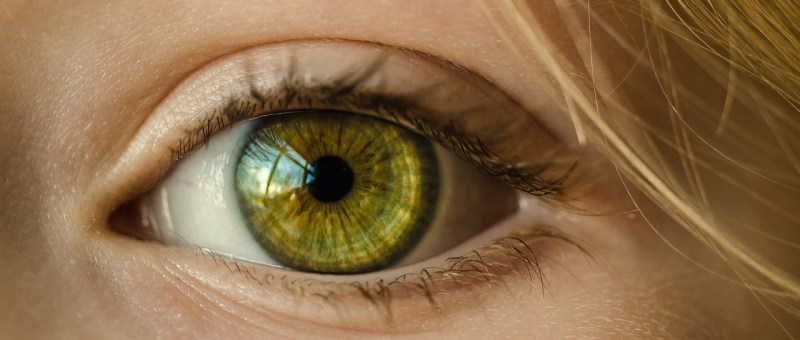
Eye contact is a fundamental aspect of human communication, serving as a powerful non-verbal cue conveying various emotions and intentions

However, the interpretation and significance of eye contact can vary dramatically across cultures, often leading to misunderstandings in cross-cultural interactions

Understanding these differences is crucial for effective communication in global business.

Western Cultures: Direct Eye Contact = Confidence

In many Western cultures, particularly in the United States and Europe, direct eye contact is often seen as a sign of confidence, sincerity, and attentiveness. 

People who make steady eye contact during conversations are typically perceived as trustworthy and engaged.

In business settings, maintaining eye contact is crucial during negotiations and presentations, as it demonstrates interest and credibility.

But this doesn’t end at business: direct eye contact is also valued in social interactions

It is considered polite and respectful, indicating that you are actively listening and interested in the other person’s words. 

However, balance is necessary, as excessive staring can be perceived as confrontational or aggressive.

East Asian Cultures: Indirect Eye Contact = Respect

In contrast, many East Asian cultures, including Japan, China, and Korea, view direct eye contact differently.

Here, indirect eye contact is often a sign of respect and deference, particularly towards elders or those in positions of authority

Avoiding prolonged eye contact is seen as a way to show humility and politeness.

For instance, in Japan, a child might lower their gaze when speaking to a teacher or elder as a mark of respect. 

Similarly, employees may avoid direct eye contact with their superiors during meetings to demonstrate deference. 

Misinterpreting this cultural norm can lead Westerners to mistakenly perceive East Asians as being evasive or untrustworthy, when they are simply adhering to cultural standards of respect.

Studies Confirm These Differences

Research has shown that faces making eye contact are quickly detected and preferentially processed, a phenomenon known as the eye contact effect. 

This sensitivity to eye contact is believed to be innate and universal among humans

However, cultural norms influence eye contact behaviors, with Japanese individuals typically making less eye contact than those from Western European or North American cultures.

This study explored how cultural differences affect eye contact behaviors by examining autonomic responses (heart rate), looking time, and evaluative ratings of eye contact with a person displaying a neutral expression.

Participants from Western European (Finnish) and East Asian (Japanese) cultures were compared. 

The findings revealed that eye contact elicited stronger heart rate deceleration (indicative of attentional orienting), shorter looking times, and higher arousal ratings in both cultures compared to averted gaze.

However, cultural differences were evident in how participants interpreted faces making eye contact. 

Japanese participants rated faces as angrier, less approachable, and more unpleasant compared to Finnish participants. 

These results suggest that cultural norms and display rules influence how eye contact is perceived, rather than culture directly affecting physiological responses to eye contact.

We’ll talk more about culture’s influence on eye contact norms next week.

Social Value Orientation & Culture: Does Your Social Predisposition Outrank Your Cultural Values?

Social interactions are influenced by the exchange between an individual’s cultural inclinations, be they horizontal or vertical individualism and collectivism, their inherent traits, and the surrounding context. 

One pivotal trait at the center of this dynamic is the individual’s Social Value Orientation (SVO).

SVO represents a person’s general predisposition towards competition (proself) or cooperation (prosocial) in the realm of social exchanges. 

This study, encompassing 1032 participants, explores the relationship between SVO and an individual’s personal cultural tendencies of horizontal/vertical individualism and collectivism, within the backdrop of two distinct cultural settings: the United States, characterized as a vertical individualist setting, and South Korea, marked by its vertical collectivistic backdrop.

The researchers’ hypotheses centered on the alignment between an individual’s value orientation and their corresponding personal cultural tendencies, accounting for the cultural setting. 

They posited that each value orientation would correspond with the congruent personal cultural tendency in a given setting, and this association would be context-specific, with SVO playing a more prominent role in settings where cultural themes were less dominant.

Let The Games Begin

A decomposed games measure identified whether individual participants were prosocial, individualistic, or competitive.

The behavioral measure consists of nine “games” through which this assignment is made.

The study also measured the participant’s inclination toward horizontal/vertical individualism and collectivism.

For example, participants were asked to rate their feelings about statements like “I enjoy being unique and different from others in many ways” (horizontal individualism) or “I enjoy working in situations involving competition with others” (vertical individualism).

Likewise, they rated prosocial statements like “The well-being of my co-workers is important to me” (horizontal collectivism) and “I would do what would please my family, even if I detested that activity” (vertical collectivism).

After collecting data from these games and questionnaires, this is what the study found.

The Findings

The findings highlighted intriguing patterns.

Across both settings, proself individuals exhibited a stronger endorsement of vertical individualistic values, while prosocial individuals leaned more towards horizontal collectivistic values. 

However, the influence of SVO diverged across the two cultural contexts. 

In the United States, prosocial individuals exhibited a more robust inclination towards horizontal collectivism compared to their proself counterparts. 

In contrast, in the South Korean context, prosocial individuals displayed a lesser affinity for horizontal individualism.

These outcomes bear significant theoretical implications and open avenues for further exploration. 

What This Means

Delving deeper into these revelations makes it more apparent that individuals are not solely products of their cultural inclinations or personal traits; rather, it is the dynamic give-and-take of these factors that ultimately shapes their social interactions.

The results of this study underscore the coaction of cultural tendencies, dispositional traits, and context in shaping social behavior. 

They also highlight the significance of context-specific considerations in understanding the nuances of human behavior, emphasizing the need for a more holistic and multifaceted approach to comprehend the exchange of cultural influences, personal traits, and context in shaping our interactions.