3, 2, 1…New Year’s Traditions From Around the World, Part III

As the clock strikes midnight and the world bids farewell to one year, diverse cultures welcome the new with unique traditions, each created by symbolism and fun. 

In Part I, we learned about “First Footing” in Scotland.

In Part II, we discovered the polka-dotted Philippines.

And this year, we’ll explore Greece, Brazil, and Colombia, where we’ll find that the global celebration of New Year’s Eve traditions continues to weave its tapestry of hope, luck, and the shared human desire for a brighter tomorrow.

Smashing Pomegranates in Greece
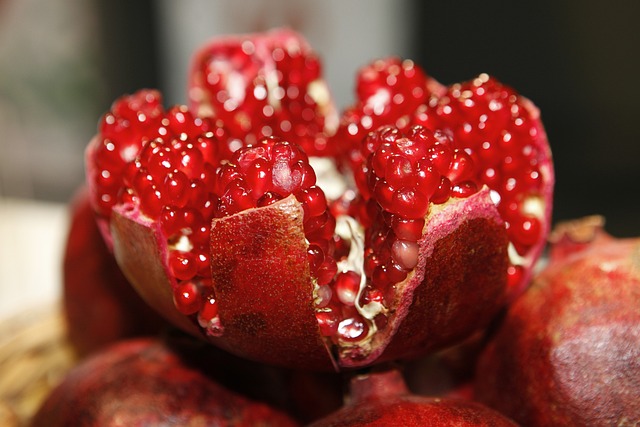
The Greeks engage in Podariko, a New Year’s custom involving pomegranates, seen as symbols of luck, prosperity, and fertility.

Before midnight on New Year’s Eve, households hang pomegranates on their doors, and just before midnight, lights are turned off.

A chosen individual reenters the house with the right foot first, bringing good fortune. 

Subsequently, another person smashes the pomegranate against the door, and the more seeds, the better – more seeds symbolize increased luck for the coming year.

Seven Wishes/Seven Waves in Brazil

Keep in mind that New Year’s is during Brazil’s summertime.

So, Brazilians often celebrate a beachy New Year’s Eve.

And in order to guarantee a successful year, immediately after midnight, people jump seven waves while making seven wishes.

Rooted in homage to Yemanja, the goddess of water, the tradition involves wearing all white, symbolizing purity, before taking the plunge into the waves.

Empty Suitcases in Colombia
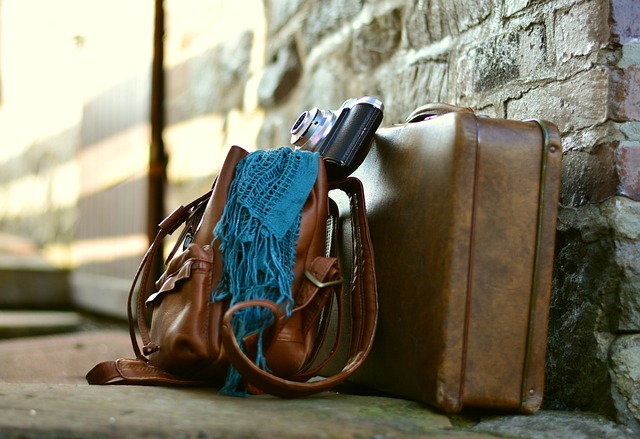
Calling all globetrotters!

A favorite tradition among travel enthusiasts in Colombia involves running around the neighborhood with an empty suitcase, symbolizing a desire for numerous trips in the coming year.

If you also want to divine love or prosperity in your new year, choose your underwear wisely.

Wearing red underwear is believed to attract love, and many embrace this practice to welcome romance into their lives.

Yellow underwear, considered to possess “magical powers,” is worn to invite economic wealth and prosperity.

Maybe you’re greedy and want both.

You might consider wearing two pairs of underwear.

Wherever you’re celebrating, ring in the new year with some of these interesting New Year’s traditions and declare yourself a global citizen!
‘Simpatia’ and Spontaneous Helping: What Values Contribute to a Culture of Volunteering?

Do you find time to volunteer?

For what reason?

Is it something personally important to you? Or is it something that your culture values?

We’ve been talking about prosocial behavior in culture over the last couple of weeks, including donating money.

This week, we’ll look at what values might contribute to a culture of volunteering.

Spontaneous Helping

When you think of volunteering, you probably think of giving your time and energy regularly to an organization – working at a food bank, helping your church bake sale, participating in big brother/sister, etc.

But there are different forms of volunteering.

One form – spontaneous helping – was the focus of a study on cross-cultural differences in helping strangers.

Research was conducted in big cities – New York, Shanghai, Rio de Janeiro, etc. – of 23 countries.

Non-emergency situations were set up, in order to assess how frequently strangers might proactively come to a person’s aid.

These situations included a stranger dropping a pen, a stranger with an injured leg trying to pick up magazines, and a blind person crossing the street.

These three measures resulted in a relatively stable helping rate per city.

But the findings across cities varied greatly.

Brazilians vs. Malaysians

The highest helping rate – 93% – was found in the city of Rio de Janeiro.

This finding is in line with past studies of cultural norms in Spanish and Latin American countries.

Such studies have highlighted the cultural value of “simpatia” in such cultures – i.e. a demonstrated politeness and helpfulness to strangers and a proactive concern for others.

The lowest helping rate – 40% – was found in Kuala Lumpur, Malaysia.

Being that both Brazil and Malaysia are collectivist cultures, this result contradicts the theory that collectivist societies might have a higher helping rate than individualist societies, due to their social orientation.

In reality, the results were all over the map in relation to collectivism vs. individualism and helping, with cities in some collectivist countries averaging higher helping rates – like San Jose, Costa Rica (91.33%) and Lilongwe, Malawi (86%) – while others had low rates – like Singapore (48%) and Sofia, Bulgaria (57%).

Conversely, some individualist cultures were high on the scale – like Vienna (81%) and Copenhagen (77.67%) – while others were low – like New York City (44.67%) and Amsterdam (53.67%).

Economic Productivity

One curious finding was the inverse relationship between helping and the country’s economic productivity.

That is, helping occurred less on the whole in wealthier countries than in poorer ones.

This might suggest that some cultures show more care for each other out of necessity.

Next week, we’ll talk more about different avenues of volunteering and their cultural relevance.

Christmas Around the World: Interesting Cultural Christmas Characters & Traditions, PART II

Ho, ho, ho, and a Merry Christmas and Happy Holidays to all you readers!

Last year, we talked about Christmas traditions from Italy, the Netherlands, and Austria.

This year, we will explore traditions from countries south of the equator – Australia, Brazil, and Argentina.

Let’s jump right in!

Surfing Santa in Australia

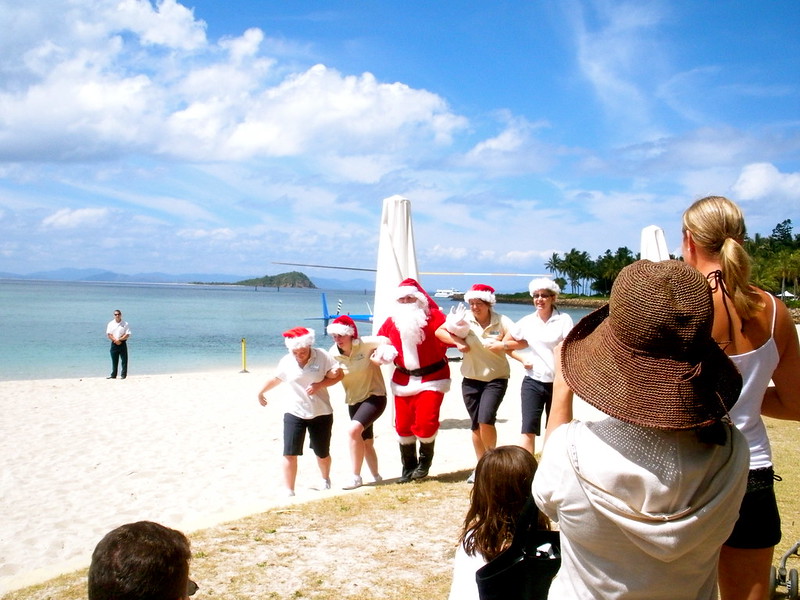
Though it’s summer in Australia at Christmas time and there’s no real snow to be found, Aussies fold in their own fun-in-the-sun Christmas traditions.

For one, Australian Santa surfs.

Abandoning the traditional white-fur-lined red fleece suit and black winter boots, you’re more likely to see Santa in board shorts on the beach on Christmas day.

And instead of the roast turkey or ham spread found in some western countries, Aussies pack in the prawns for their Christmas meal.

This requires a “prawn run,” where an unfortunate family member will be sent to stand in line at the nearest packed seafood store in the morning to buy the freshest grub.

Thirteenth Salary in Brazil

While Christmas Day may be the more lively celebration in some countries, Christmas Eve is where it’s at in Brazil.

Often people dress up in their finest to visit their friends in the afternoon and hold a huge celebration with their families in the evening.

Dinner is served around 10 PM, and midnight is when presents are exchanged or “Missa de Gallo” (Midnight Mass) is attended by the religious.

There’s no chimney-diving for Papai Noel in Brazil; instead, he drops on by to replace stockings left on windowsills with presents.

And to help Papai Noel provide gifts for Christmas, most employees are given a “thirteenth salary” (two months’ pay) in November/December – a scheme introduced by former president João Goulart in the ‘60s to boost the economy before Christmas time.

Three Kings Day in Argentina

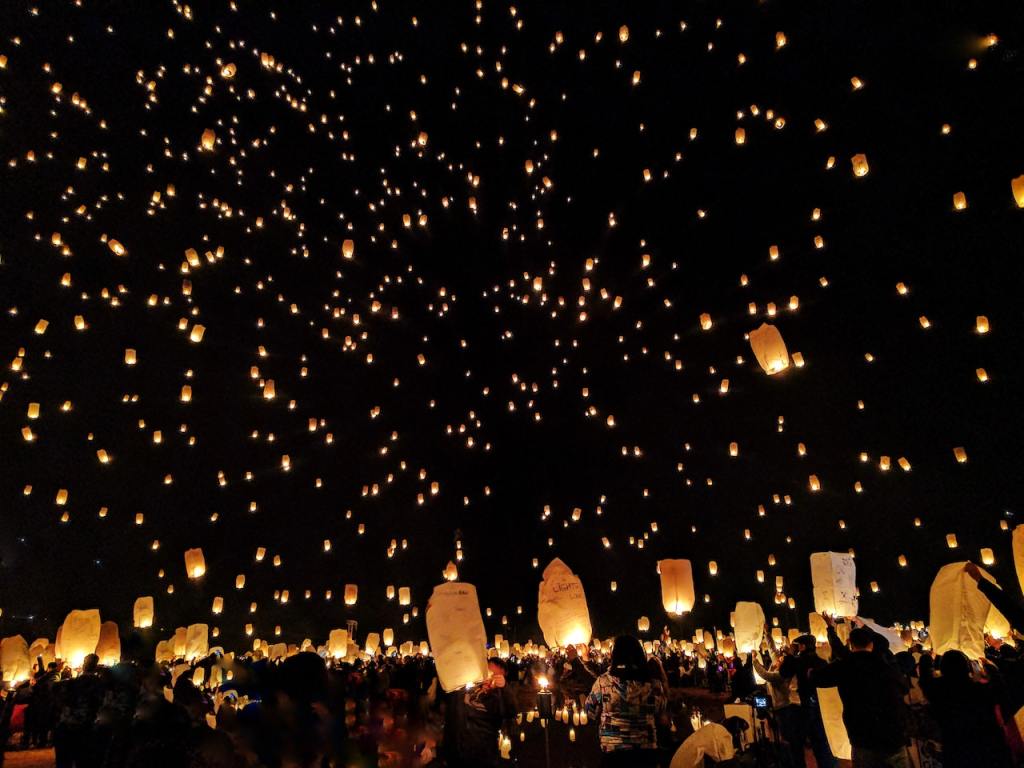
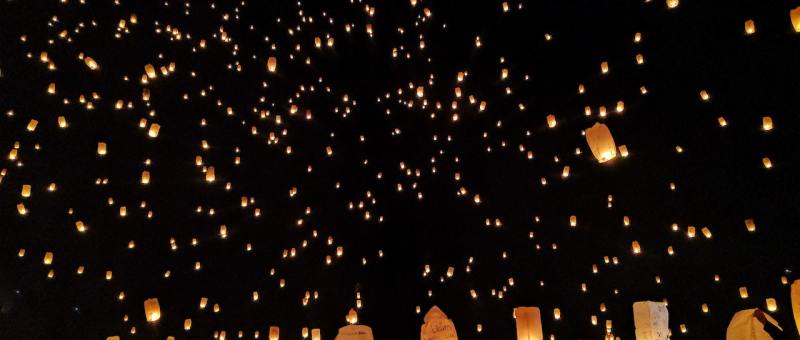
While you can enjoy incredible fireworks displays at midnight on Christmas Eve in Argentina, as well as small paper lanterns called “globos” sent into the sky, you’ll have to wait a couple of weeks to open your presents.

Three Kings Day, celebrated on January 6, is when most families receive their gifts in Argentina.

Instead of Santa or Papa Noel delivering the gifts to children, the Three Kings – who delivered gifts to the baby Jesus – will leave them in children’s shoes.

Despite this tradition, Santa is growing popular in Argentina – only there, he is known as “El Gordo de Navidad,” literally translated to “The Christmas Fat.”

As this list shows, wherever you are this Christmas, you’re bound to experience new and exciting ways to celebrate the holiday!