
As the clock strikes midnight and the world bids farewell to one year, diverse cultures welcome the new with unique traditions, each created by symbolism and fun.
In Part I, we learned about “First Footing” in Scotland.
In Part II, we discovered the polka-dotted Philippines.
And this year, we’ll explore Greece, Brazil, and Colombia, where we’ll find that the global celebration of New Year’s Eve traditions continues to weave its tapestry of hope, luck, and the shared human desire for a brighter tomorrow.
Smashing Pomegranates in Greece
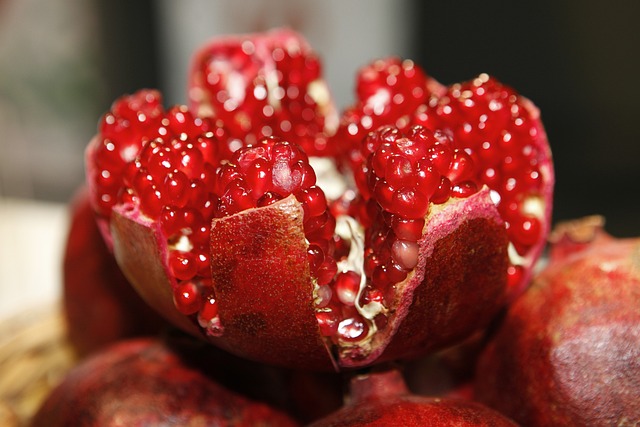
The Greeks engage in Podariko, a New Year’s custom involving pomegranates, seen as symbols of luck, prosperity, and fertility.
Before midnight on New Year’s Eve, households hang pomegranates on their doors, and just before midnight, lights are turned off.
A chosen individual reenters the house with the right foot first, bringing good fortune.
Subsequently, another person smashes the pomegranate against the door, and the more seeds, the better – more seeds symbolize increased luck for the coming year.
Seven Wishes/Seven Waves in Brazil

Keep in mind that New Year’s is during Brazil’s summertime.
So, Brazilians often celebrate a beachy New Year’s Eve.
And in order to guarantee a successful year, immediately after midnight, people jump seven waves while making seven wishes.
Rooted in homage to Yemanja, the goddess of water, the tradition involves wearing all white, symbolizing purity, before taking the plunge into the waves.
Empty Suitcases in Colombia

Calling all globetrotters!
A favorite tradition among travel enthusiasts in Colombia involves running around the neighborhood with an empty suitcase, symbolizing a desire for numerous trips in the coming year.
If you also want to divine love or prosperity in your new year, choose your underwear wisely.
Wearing red underwear is believed to attract love, and many embrace this practice to welcome romance into their lives.
Yellow underwear, considered to possess “magical powers,” is worn to invite economic wealth and prosperity.
Maybe you’re greedy and want both.
You might consider wearing two pairs of underwear.
Wherever you’re celebrating, ring in the new year with some of these interesting New Year’s traditions and declare yourself a global citizen!

 Success Across Cultures