Self-Assertive Interdependence: The Paradox of Arab Culture

How does one become self-assertive in an interdependent culture?

It might seem like a paradox.

After all, interdependent cultures generally prioritize harmony over self.

Being bold or self-assertive might be seen as “rocking the boat.”

But Arab culture is the exception that proves the rule.

Although it’s a treasure trove of rich heritage, Arab culture is often overlooked in the realms of cultural psychology

This study explores a unique interdependence, infused with a self-assertiveness that sets Arabs apart.

How Landscape Shapes Culture

Picture a world shaped by harsh ecological and climatic environments, where survival hinges upon the protection and unity of tribal groups

Within the tapestry of Arabian cultures, a code of honor emerges, demanding respect and trustworthiness as integral traits of every individual. 

As this study’s hypothesis takes shape, the pieces align.

East Meets West

Study 1 reveals the captivating psychological profile of Arabs, bridging the gap between East and West

Like their Eastern counterparts, Arabs showcase interdependence and holism, embracing the profound connections that bind us. 

But, in a fascinating twist, they combine this interdependence with a self-assertiveness akin to Western cultures

These cultural intricacies defy simplistic categorizations.

Motives Behind Self-Assertiveness

Study 2 and Study 3 paint an even more vivid picture, illuminating the underlying motivations that drive self-assertiveness in Arabs and Westerners. 

For Arabs, their self-assertiveness serves the greater cause of interdependence, amplifying their sense of unity and communal strength

On the other hand, Westerners channel their self-assertiveness towards independence, valuing individual autonomy as a cornerstone of their cultural fabric.

Nuance is Everything

The authors’ work marks a significant milestone in the ever-evolving landscape of cultural psychology.

Beyond the conventional East versus West, interdependence versus independence paradigm, it uncovers the nuanced complexities of Arab culture. 

The study contributes to a deeper understanding of human diversity and the interplay between socioecological environments and cultural identities.


Culture & “The Bubble”: How Norms Affect Personal Space

How big is your personal bubble?

Does the distance differ between a stranger, an acquaintance, a friend?

Over the last few weeks, we’ve been talking about kissing across cultures and the intimacy of cultural greetings. This all relates to cultural norms and, particularly, personal distance.

Safe Space

People of every culture like to keep a safe space from others, whether they’re talking, walking, or taking public transport. This invisible boundary, while sometimes particular to an individual, also has roots in the cultural baobab.

When someone trespasses this space, particularly if they’re a stranger or specifically unwanted within the bubble, the person whose space has been invaded will instinctively move away in order to regain their boundary of comfort.

Why do we have this sense of personal space? Do we fear bad breath or B.O.?

Well, that may be an issue…but, more importantly, the close proximity lends itself to a sense of intimacy that may be incongruent to the relationship between two people.

When our space is invaded, a ping of fear is triggered in the amygdala of the brain. Though mostly subconscious, this emotional reaction is established during primary socialization around the age of 3 or 4, which is when personal space starts to develop and is later fully formed in adolescence.

While matters of personal space may be somewhat suppressed when in a particular setting (on an elevator or a packed metro, for instance), the feeling of discomfort is still there. And, as mentioned, it often differs according to an individual’s relationship with the other person.

You’re Getting Warmer…

So, what makes a culture “colder” or “warmer” than another in relation to this bubble?

Funnily enough, often the temperature. 

A study published in the Journal of Cross-Cultural Psychology examined cultures and personal space, gathering information from around 9,000 people in 42 countries. Researchers were particularly interested in whether or not climate impacted a culture’s norms regarding personal space.

An earlier study had concluded that there were “contact” cultures ( Latin American, Arabian, and southern European) and “non-contact” cultures (North American, northern European, and areas of Asia).

Individuals were asked at what distance they were comfortable standing next to a close friend, an acquaintance, and a stranger. The study found that it was often the case that the warmer the climate, the thinner the bubble.

Argentina had the narrowest personal gap, being at as comfortable a distance with a stranger as a Canadian was with a close friend. On the other hand, Romanians had the widest bubble when it came to strangers (>1.3 meters) but one of the smallest for close friends (40 cm).

While this doesn’t illustrate a clear cut theory on warm vs. cold climates producing warm vs. cold cultures, in general, the higher a country’s temperature the narrower “the bubble” between strangers.

Next week, we’ll talk about ways of “closing the gap” of personal space across cultures.

10 Cultural Universals: Hearts & Hearths, How Shelters Tell Stories of Culture

blog43-8

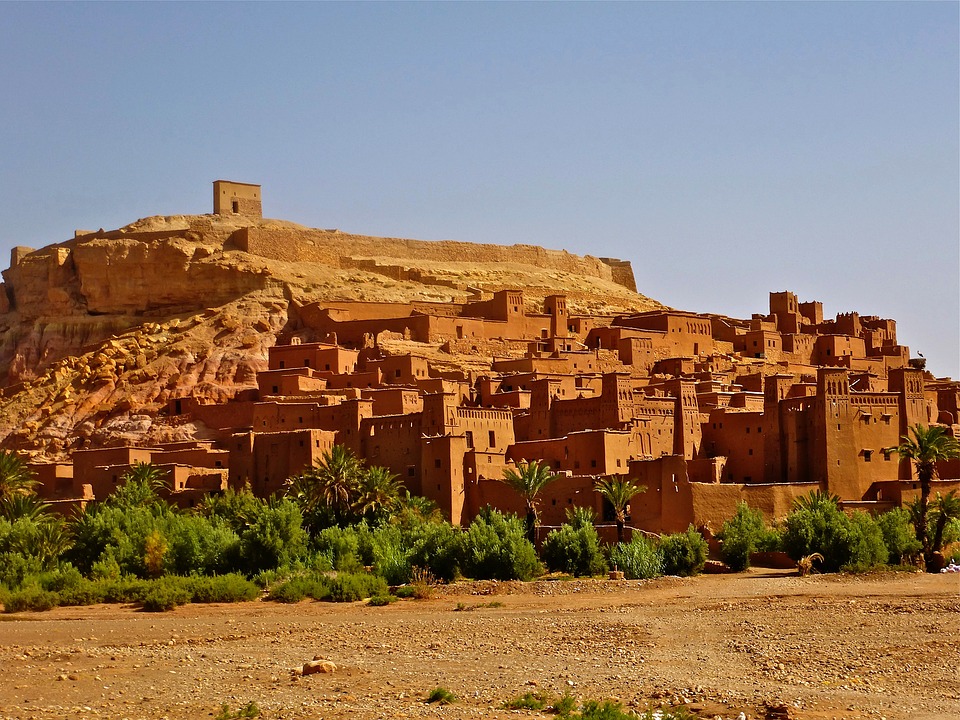
Yurt, adobe, Siheyuan, izba, stilt, igloo, turf.

Some of these housing types, you may recognize; others, you may not. But each of them illustrate character traits of a culture…that is, if you’re willing to look closely.

Along with food, clothing, and transport, shelter is a basic cultural element in our series on the 10 Cultural Universals.

The homes we choose to live in tell a story of who we are. They are historical artifacts that provide archeologists a look into the past, and they are modern snapshots that inform others about who we are and what we deem most important in life.

Whether the focal point of a home is the kitchen, a social room, or even a temple built within, our hearts are revealed by our hearths.

So let’s take a look at both.

Hearts & Hearths

What can a shelter tell us about the culture and about life in a region?

Here are some things to consider when discussing the cultural elements of shelters:

  • Climate – The climate of the region determines the needs of the home. Stilt houses in Cambodia, for example, to avoid flooding, or thick insulation in locations with hard, cold winters.
  • Structural materials – Structural materials for homes are best sourced locally. You’re more likely to find bamboo used in construction in Asian countries than in the West, or adobe clay in the desert than in the arctic.blog43-6
  • Social elements – Whether the residence is built around a courtyard, likethe Siheyuan homes of China, or is set up with individual rooms for more independent and private living or a single room for more commune-style living,  the social elements of each culture determine a home’s layout and design.
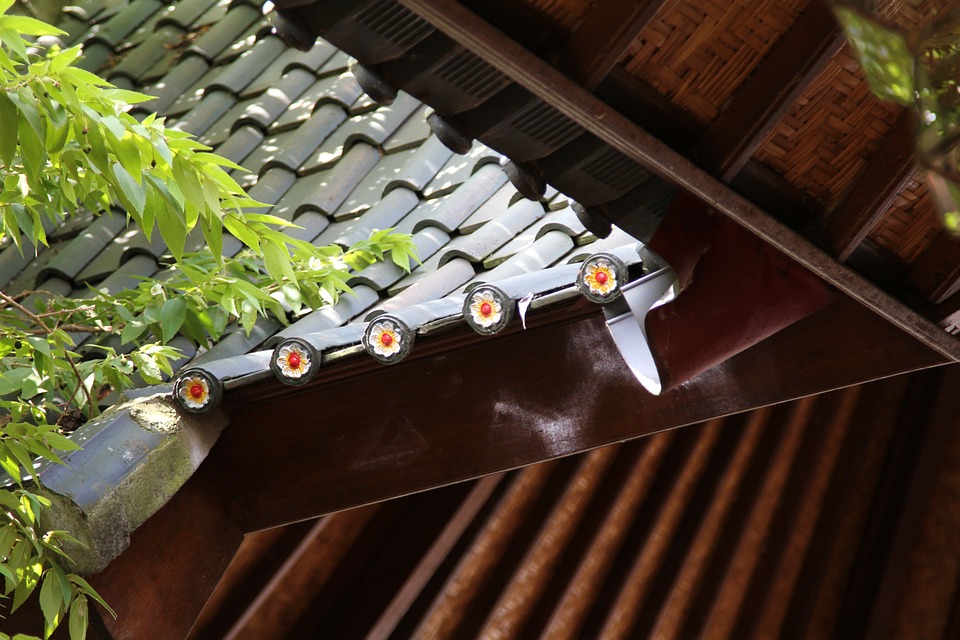
  • Aesthetic – From the vaulted ceilings of Italian homes to the bamboo roofs of Bali, from the ornately designed doors of Icelandic turf houses to the homey thatched cottages of England, the aesthetic and architecture of a home is obviously the most eye-catching and expressive element of the culture. Aesthetics tell us what the culture finds beautiful and most comfortable.

blog43-7

In essence – and in reality – home is where the heart is. Each form of shelter is a monument to the people. This is why homes around the world inform our understanding the people who inhabit them and the culture they engender.