Sister Cities and the Arts: How Cultural Partnerships Inspire Creativity

One of the most joyful aspects of Sister Cities is their partnership in championing cultural expression through artistic exchanges.

These global partnerships celebrate local traditions, foster creativity, and bring communities together in unforgettable ways. 

From slow food in Portland and Bologna to mural exchanges between Chicago and Casablanca, these collaborations highlight the power of international cultural diplomacy.

Portland, Oregon & Bologna, Italy: A Love for “Slow” Food

Portland and Bologna share a deep passion for food culture

Bologna has earned its nickname “La Grassa” (The Fat) for its indulgent cuisine, while Portland has carved out its own identity with a thriving Northwest-inspired food scene. 

In both cities, meals are more than just sustenance – they’re a chance to slow down, savor, and connect. 

Whether strolling through Portland’s bustling Farmers Market or Bologna’s Mercato della Terra, you’ll find a shared appreciation for fresh, locally sourced ingredients. 

And, of course, great food requires great drinks to match. 

Bologna and Portland both take their beverages seriously – Italy has been perfecting wine for centuries, while the Portland region has gained international recognition for its Pinot Noir. 

And while Portland’s craft beer culture is well known, Bologna also embraces the art of brewing, even hosting the annual “Heretical Brewers Fest” each spring.

These loves come together through events celebrating each other’s cuisine, like Sagra in Portland which serves up lasagna, festive music, and a silent auction with Italian goodies.

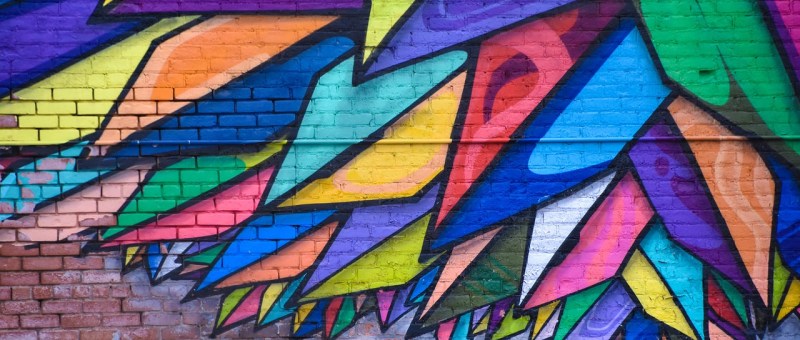
Chicago, USA & Casablanca, Morocco: A Street Art Connection

Chicago and Casablanca have been sister cities for decades and share a love of public art.

In 2018, they marked 35 years of their sister city relationship with a mural art exchange, strengthening cultural ties between the two cities. 

The project featured Chicago-based muralist Sam Kirk and Casablanca artist Abedellatif Farhate, known as “Kalamour.”

Kirk traveled to Casablanca to create a mural during the city’s CasaMouja Festival, becoming the first female artist to participate. 

She also led an art workshop for local students. 

In return, Kalamour visited Chicago to install a mural as part of WAC’s public art initiative, which has transformed the city’s South Loop with over 60 large-scale artworks. 

The pair also share a digital art museum, known as STEAMuseum, created through a collaboration between high school students from Chicago and Casablanca, using virtual tools to explore science, technology, engineering, and art. 

Launched in 2016, it fosters cross-cultural understanding through digital diplomacy and provides a unique, interactive space for a new generation of digital learners.

Both of these collaborations show that sister city relationships aren’t just boring ol’ diplomacy – they’re about bringing cultures to life in the most dynamic ways. 

So next time your city hosts an international arts event, check to see if it’s part of a sister city exchange. You might just find you share more than a simple bond; you share culture.
10 Cultural Universals Wrap-Up

Over these past few months, we’ve talked about the 10 Cultural Universals.

These are the ten themes that every culture has in common.

Let’s run through these themes one more time and sum up what we’ve covered.

Geography

From the geography of the Inca culture and how it impacts all other aspects of life in the Andean Mountains.

Language

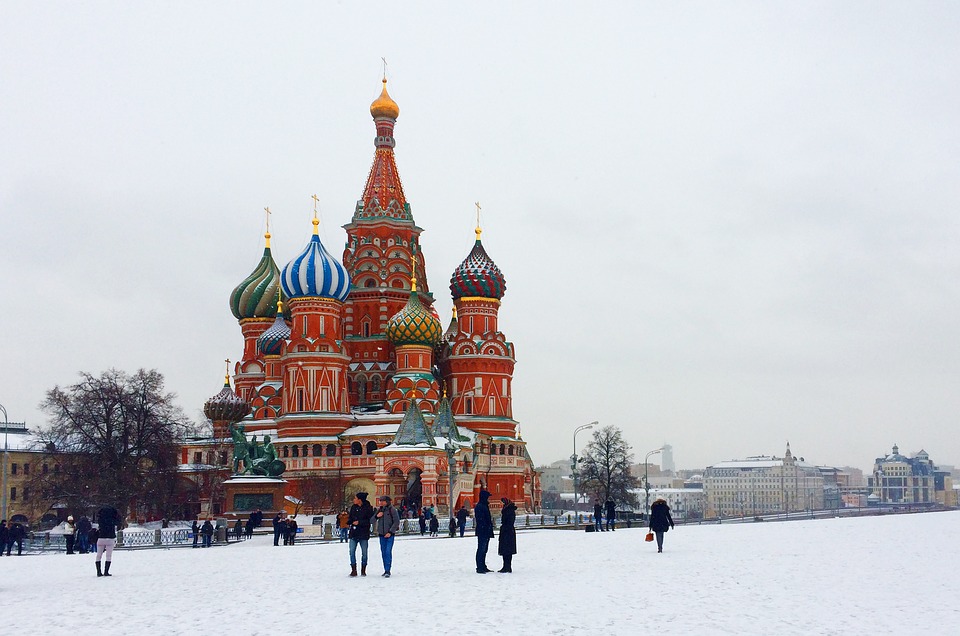
To the way words and language can color our world – like it does for Russian culture in shades of blue.

Family

From the varied family structures in collectivist and individualist cultures.

Food, Clothing, Transport, Shelter

To the dignity of food with Anthony Bourdain.

From fashion, its trends, and social movements that advance culture.

To how transportation can shape a city and its embrace of greener alternatives.

From how shelters tell stories of culture to the stories told by the nomadic homes of Mongolian yurts.

Values, Beliefs, Rituals

From how we become who we are through the values we consume.

To how cultural beliefs can impact everything from gender roles to healthcare to education.

From how rituals can make death a celebration.

Economics

To how cultural values can influence economic output and shape government for better or worse.

Education

From how educators serve as the front-line in disseminating our culture’s values to our children.

Politics

To how “collapsing events” in politics can inform those very values and provide context to the evolution of our culture.

Technology

From how social media movements are being used as a vehicle of change across the world.

Cultural Expression

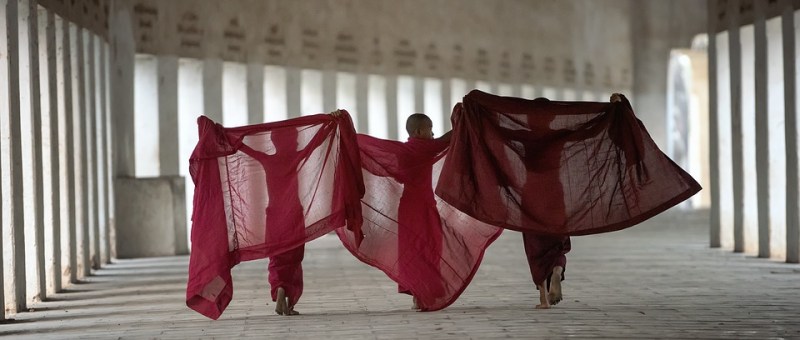
To how art, literature, dance, music, sport, and other forms of creative expression have always been used as vehicles of sharing and understanding both the familiar and the foreign.

What’s So Beautiful About These Universals?

The fact that each and every culture around the world has these themes in common.

Regional surroundings help define culture, language and cultural expression communicate to others who we are, politics provide culture structure.

Although from East to West, individuals, societies, governments, and their values are different – very different – we all share these ten aspects of culture in common.

And sharing commonalities is as beautiful a thing as appreciating our differences.

Next week, we’ll talk about the dangers of assuming sameness. Stay tuned.

10 Cultural Universals: Cultural Expression

When talking about culture, this is the 10 Cultural Universals category that first jumps to mind.

Art, music, literature, sport, and any other vivid representation of culture falls under the category of cultural expression.

As one of the loudest and most dynamic parts of culture, expression is the paint pallet that brings the picture to life.

Art.

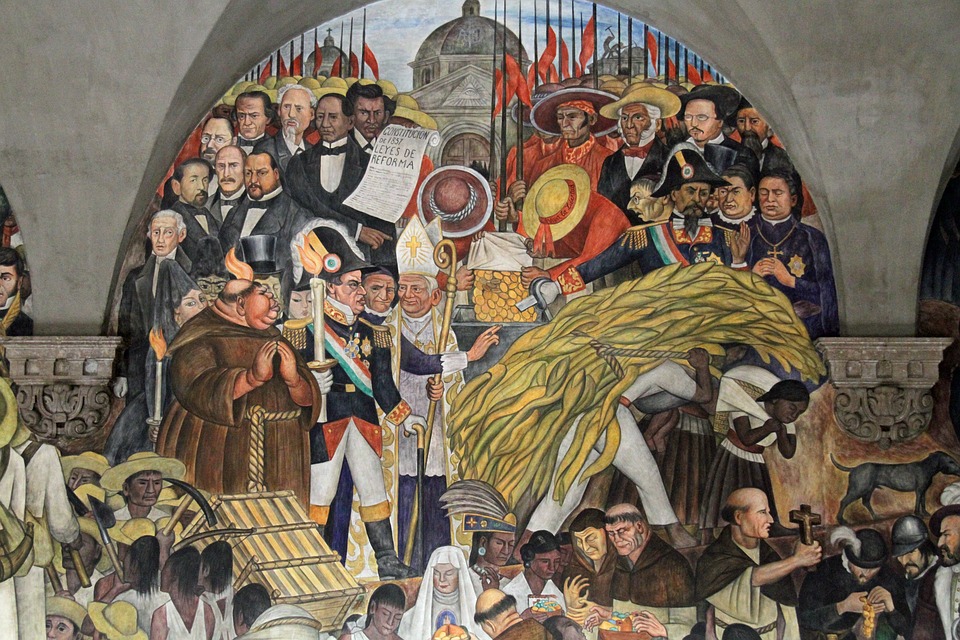
blog53-2Where would Mexican muralism be without “the big three” – David Alfaro Siqueiros, Diego Rivera, and José Clemente Orozco?

The Mexican Revolution spurred artworks with a political and social message. Beginning in the 1920s, the Mexican muralism movement lasted more than fifty years.

Artworks were often commissioned by the government, itself, and were mainly large and colorful storytelling pieces, celebrating Mexico’s rich history, coupled with the moral degradation of imperialism, dictatorships, and war.

This form of cultural expression illustrated the importance of history and politics to the Mexican people in this era of change. The bold colors and lines of their pieces also showcased the artistic and cultural aesthetic.

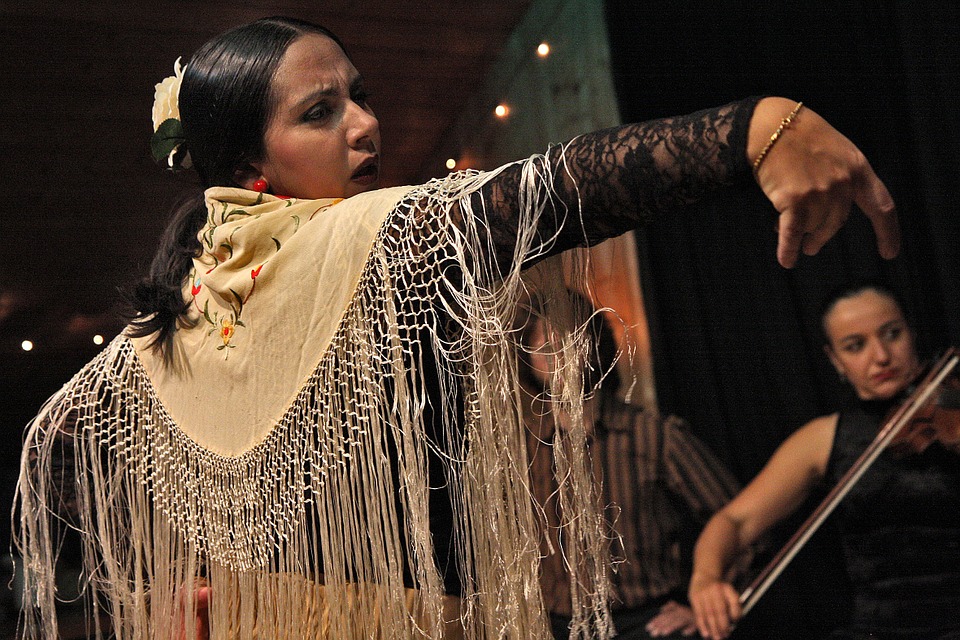
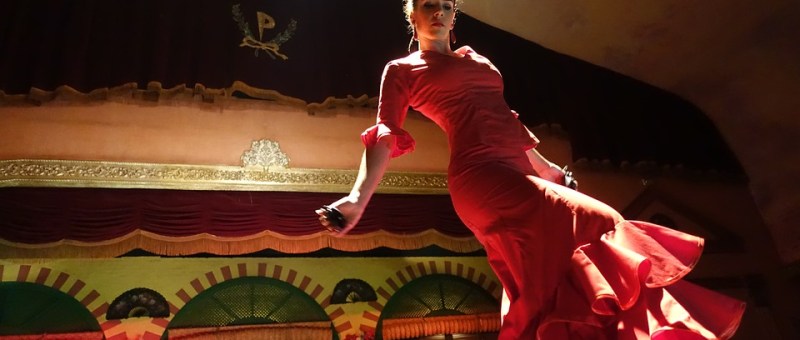
Music.blog53-1Flamenco music and dance in Spain is one of the liveliest representations of an already lively culture.

The dance, which is one full of controlled movement, intense facial expression, and dramatic costume, experienced its golden age from 1869 to 1910 but is still very popular today.

Along with evocative singing, the Spanish guitar, hand drums, and the Flamenco clap, known as Palmas, the experience of Spanish music and dance draws the emotions of the performers and the audience into one powerful crescendo.

Literature.

blog53-4Nikolai Gogol. Anton Chekhov. Leo Tolstoy. Fyodor Dostoevsky.
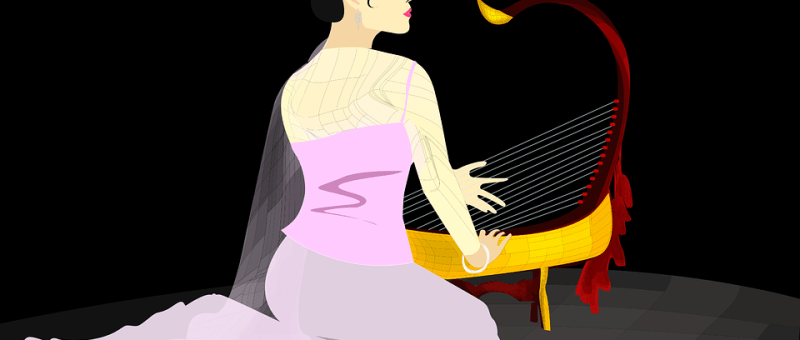
The Russian soul is best expressed in the works of its greatest writers.

Literature is a canvas of cultural self-reflection. Many of the greatest authors of any given time or place know just how to record and express what their culture is in that moment…and across the ages, as well.

Dostoevsky said the Russian soul was a dark place, and Alexei K. Tolstoy captured that place in one beautiful quote:

“It is sad, yet joyful, on a silent summer’s night, in a voiceless wood, to hear a Russian song. Here we find unlimited sadness without hope. Here, also is unconquerable strength and the unalterable stamp of Fate; here, also is iron predestination, one of the primitive foundations of the Russian national identity, through which much can be explained which seemed inexplicable in Russian life.”

The great literary masters are able to articulate the very essence of what it’s like to be Russian.

And if that isn’t the power of cultural expression in a nutshell, then I don’t know what is.

Creative expression is the living and breathing spirit of a culture. It breathes life into society, explodes onto the canvas, and serves as a monumental representation of who we are as one.

The 10 Cultural Universals

The word, “culture,” covers a broad spectrum. Sometimes it’s easier to understand what falls under the umbrella of culture by drawing more definitive lines.

When you talk about culture, what topics can you expect to discuss?

These 10 cultural universals are a start.

10 Cultural Universals

  1. Geography – Location, location, location. Location defines so many aspects of a culture – from the clothing worn to the food prepared and eaten – that it would be remiss not to consider geography when discussing culture. The landscape of the region, the natural resources it offers, and of course the rich history generated from the region all impacts a culture’s evolution.
  2. Language – Language is significantly important to culture and can afford those studying any social group some insight into what’s important to them (think: polite language, masculine/feminine use, slang, etc.). When discussing language, you should also consider the group’s written language, body language, sign language, and numbers systems.
  3. Family – Family dynamics are a key part of cultural studies, from the roles of each family member, child to grandparent, to the rites of passage that members undergo. Labor division across genders is also part of this cultural universal.
  4. FCTS (food, clothing, transport, shelter) – The basics of survival form the skeletal structure of culture. Think architectural styles, building materials, modes of transport, traditional and everyday cuisine and clothing, etc.
  5. VBR (values, beliefs, rituals) – We’ve talked extensively about values in this blog. That’s because they are the roots of every cultural baobab. This category also includes the rituals, beliefs, and religious practices of a culture, such as myths and legends, ceremonial rituals and holidays, and stances on contemporary science versus traditional beliefs.
  6. Economics – Jobs, the market, finance, goods and services, production, consumption, and distribution are paramount to societal development and quality of life, making a group’s economy a cultural universal.
  7. Education – This category includes not only formal education, but societal education – i.e. passing cultural values, survival skills, and various types of training onto youth.
  8. Politics – The type of government and the organization of a society, from rule of law to the enforcement of these laws, form the group’s hierarchies, structures, and most important institutions. The politics of a nation can also determine whether that nation is prone to war or peace.
  9. Technology – Technology available to a culture – tools, weapons, digital technology, etc. – contributes to all aspects of everyday life, as well as to the bigger picture, the way the culture operates.
  10. Cultural Expression – This is often the category that first springs to mind when the word, “culture,” is used. That’s because art, music, literature, sport, and every other form of cultural expression is the most bright and vivid rendering of the culture’s essence, its spirit. Creative expression brings culture to life.

Now that you know what constitutes “culture,” we’ll put each of these universals under the microscope in the coming weeks.