Word War II wrought evil, but out of the ashes, some beauty was born.
One phoenix is the sister city programs — social agreements between international twin cities to exchange culture and build global camaraderie.
While international city links akin to sister cities do date back to the 9th century, the program really found its legs after the world was almost destroyed.
The Origins
Modern-day sister cities were the brainchild of Alfred Robert Grindlay, the Mayor of Coventry, a city that was heavily bombed in 1940.
His intention was to join sister cities in allied countries that had suffered similar calamities to provide a sense of comfort in community.
And so, he sent a telegram to Stalingrad (now Volgograd) and developed a link. When the Battle of Stalingrad unfolded a year later, the people of Coventry donated money along with a tablecloth, embroidered with names and the words, “Little help is better than a lot of pity.”
The twinning continued, and once the war ended, the sister city program built bonds of friendship between many more twin cities and expanded into tourism, trade, and international business links.
Today, thousands of cities worldwide are linked in meaningful relationships that promote diplomacy, cooperation, and cultural celebration.
The Cultural Bonds
One brilliant example of how twin cities share in each other’s cultures is the partnership between Bologna, Italy, and Portland, Oregon, established in 2003.
Often twin cities have similar demographics, sizes, or industries. In this case, the industries of education and biotechnology brought the pair together, along with their food cultures.
Bologna and Portland possess a shared passion for food, culture, and sustainability.
Known for their culinary excellence, the cities collaborate through chef exchanges, food festivals, and workshops that merge Bologna’s Italian pasta traditions with Portland’s farm-to-table innovations.
Beyond gastronomy, the partnership fosters educational and artistic exchanges, with student programs and joint art exhibitions enriching both communities.
The cities also share strategies in urban planning and sustainability, drawing on their mutual commitment to livability and green initiatives.
Cooperation in Crisis
The basis of the sister city program lives on, as twins also often aid each other in disaster relief and support during crisis.
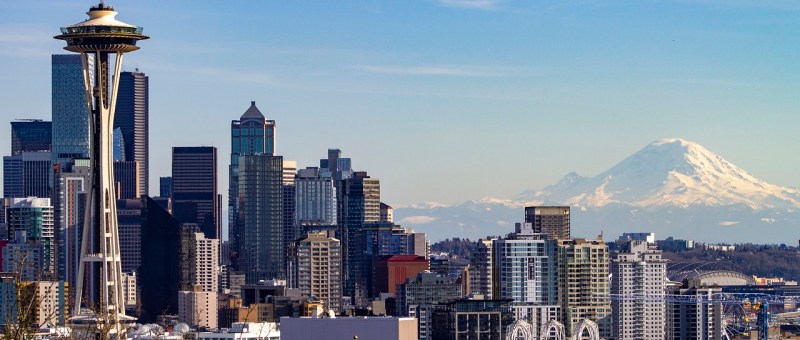
The partnership between Kobe, Japan, and Seattle, Washington, is one example of this.
These cities have supported each other through recovery efforts, with Seattle offering aid during the 1995 Great Harshen Earthquake.
Such support during times of crisis can mean a lot to communities all over the world, as they suffer environmental disasters and economic hardship.
Forming a sense of kinship and mutual respect, these dynamic partnerships are brilliant representations of grassroots diplomacy and positive cultural exchange.


 Success Across Cultures