One of the most joyful aspects of Sister Cities is their partnership in championing cultural expression through artistic exchanges.
These global partnerships celebrate local traditions, foster creativity, and bring communities together in unforgettable ways.
From slow food in Portland and Bologna to mural exchanges between Chicago and Casablanca, these collaborations highlight the power of international cultural diplomacy.
Portland, Oregon & Bologna, Italy: A Love for “Slow” Food
Portland and Bologna share a deep passion for food culture.
Bologna has earned its nickname “La Grassa” (The Fat) for its indulgent cuisine, while Portland has carved out its own identity with a thriving Northwest-inspired food scene.
In both cities, meals are more than just sustenance – they’re a chance to slow down, savor, and connect.
Whether strolling through Portland’s bustling Farmers Market or Bologna’s Mercato della Terra, you’ll find a shared appreciation for fresh, locally sourced ingredients.
And, of course, great food requires great drinks to match.
Bologna and Portland both take their beverages seriously – Italy has been perfecting wine for centuries, while the Portland region has gained international recognition for its Pinot Noir.
And while Portland’s craft beer culture is well known, Bologna also embraces the art of brewing, even hosting the annual “Heretical Brewers Fest” each spring.
These loves come together through events celebrating each other’s cuisine, like Sagra in Portland which serves up lasagna, festive music, and a silent auction with Italian goodies.
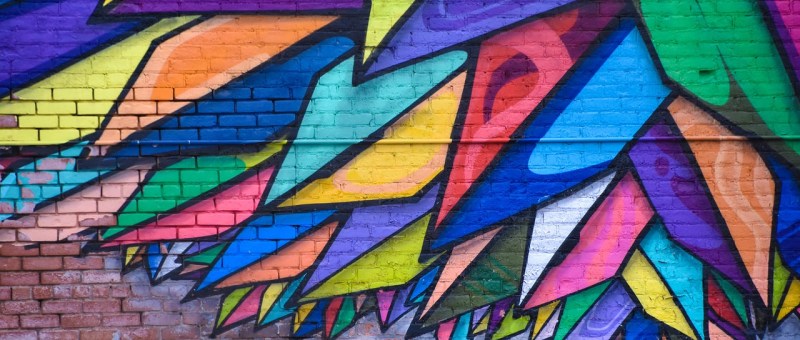
Chicago, USA & Casablanca, Morocco: A Street Art Connection
Chicago and Casablanca have been sister cities for decades and share a love of public art.
In 2018, they marked 35 years of their sister city relationship with a mural art exchange, strengthening cultural ties between the two cities.
The project featured Chicago-based muralist Sam Kirk and Casablanca artist Abedellatif Farhate, known as “Kalamour.”
Kirk traveled to Casablanca to create a mural during the city’s CasaMouja Festival, becoming the first female artist to participate.
She also led an art workshop for local students.
In return, Kalamour visited Chicago to install a mural as part of WAC’s public art initiative, which has transformed the city’s South Loop with over 60 large-scale artworks.
The pair also share a digital art museum, known as STEAMuseum, created through a collaboration between high school students from Chicago and Casablanca, using virtual tools to explore science, technology, engineering, and art.
Launched in 2016, it fosters cross-cultural understanding through digital diplomacy and provides a unique, interactive space for a new generation of digital learners.
Both of these collaborations show that sister city relationships aren’t just boring ol’ diplomacy – they’re about bringing cultures to life in the most dynamic ways.
So next time your city hosts an international arts event, check to see if it’s part of a sister city exchange. You might just find you share more than a simple bond; you share culture.
 Success Across Cultures